
Pooja Dhingra
Joy is the Justice We Must Give Ourselves
For the last few years, I have been thinking constantly about rest. I think about women who are always working, always multitasking, losing their sense of self to endless chores and demands of their families. Much of this labour remains unpaid, invisible, expected and if not performed can lead to consequences.
Even a few moments of stillness are often denied, or are accompanied by guilt.
My work at Rafooghar is about creating spaces of rest and leisure, especially for women who often don’t get permission or time to rest. Here stitching and textiles, deliberately chosen, are used as tools to bring women to the space, as they are considered non-threatening unlike theatre and dance. When women come to the space, they express themselves through stitching but also use this time to relax, to find comfort in each other’s company and to take a break from the pressures and precarity of their daily lives.
It has been three years of sustaining the space that has become a place of joy to so many, including me. But running a community space carries the constant anxiety of raising funds, resolving conflicts and responding to the everyday realities of the community. Care work, whether personally or professionally, often leaves very little room for caring for oneself.
So when I was invited to spend two weeks at the University of York to rest, repair and reflect, neither could I believe it nor could I do it. It took me a while to practise what I have always preached. But when I finally managed to unwind, it was incredible. It reaffirmed something I have believed but had forgotten… a well-rested body is a creative body.
I went for long walks, exploring new routes through the university every day. I sat beside the lake for hours. I collected nature’s (fallen) bounty . I read. I slept.
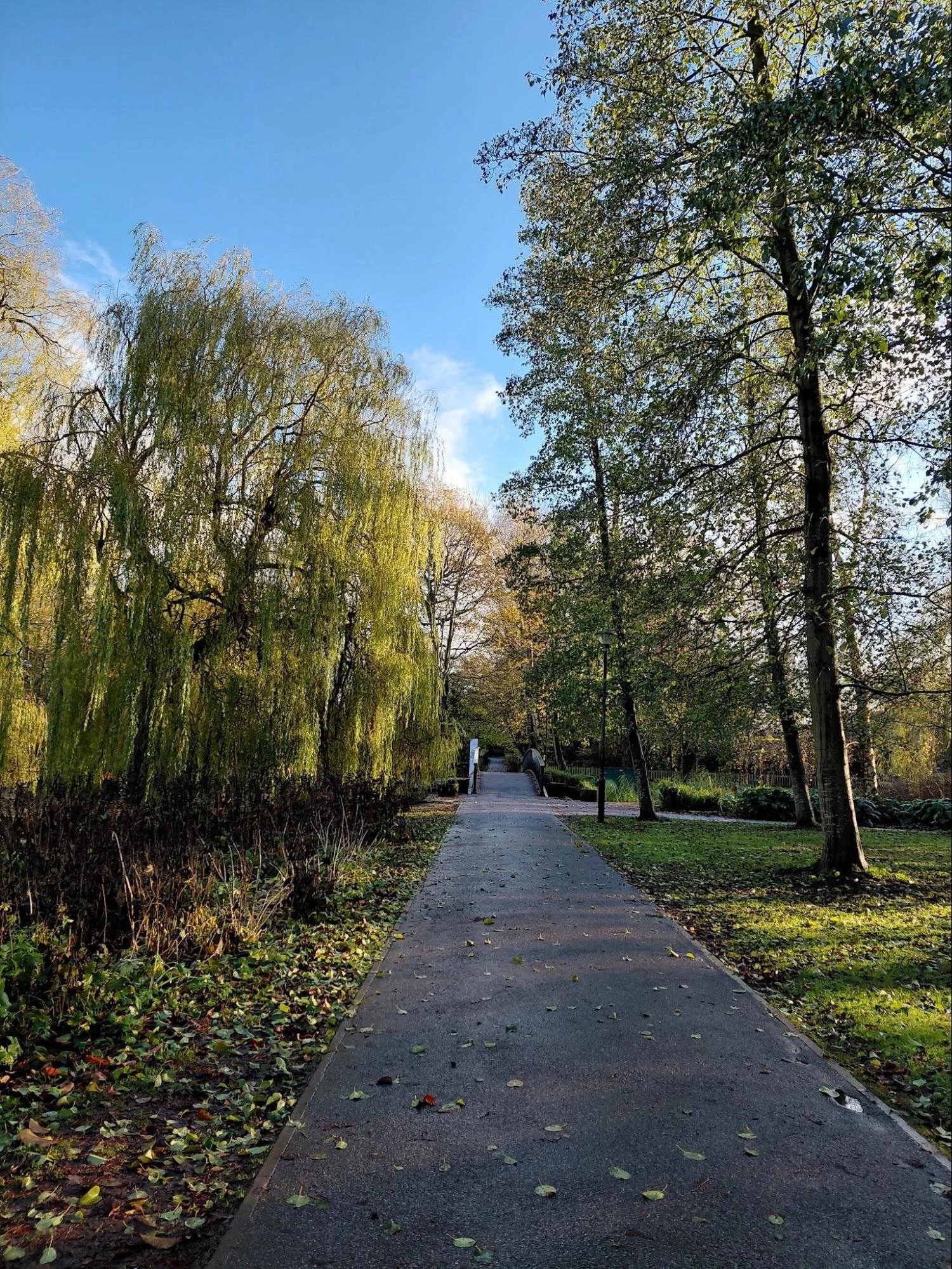
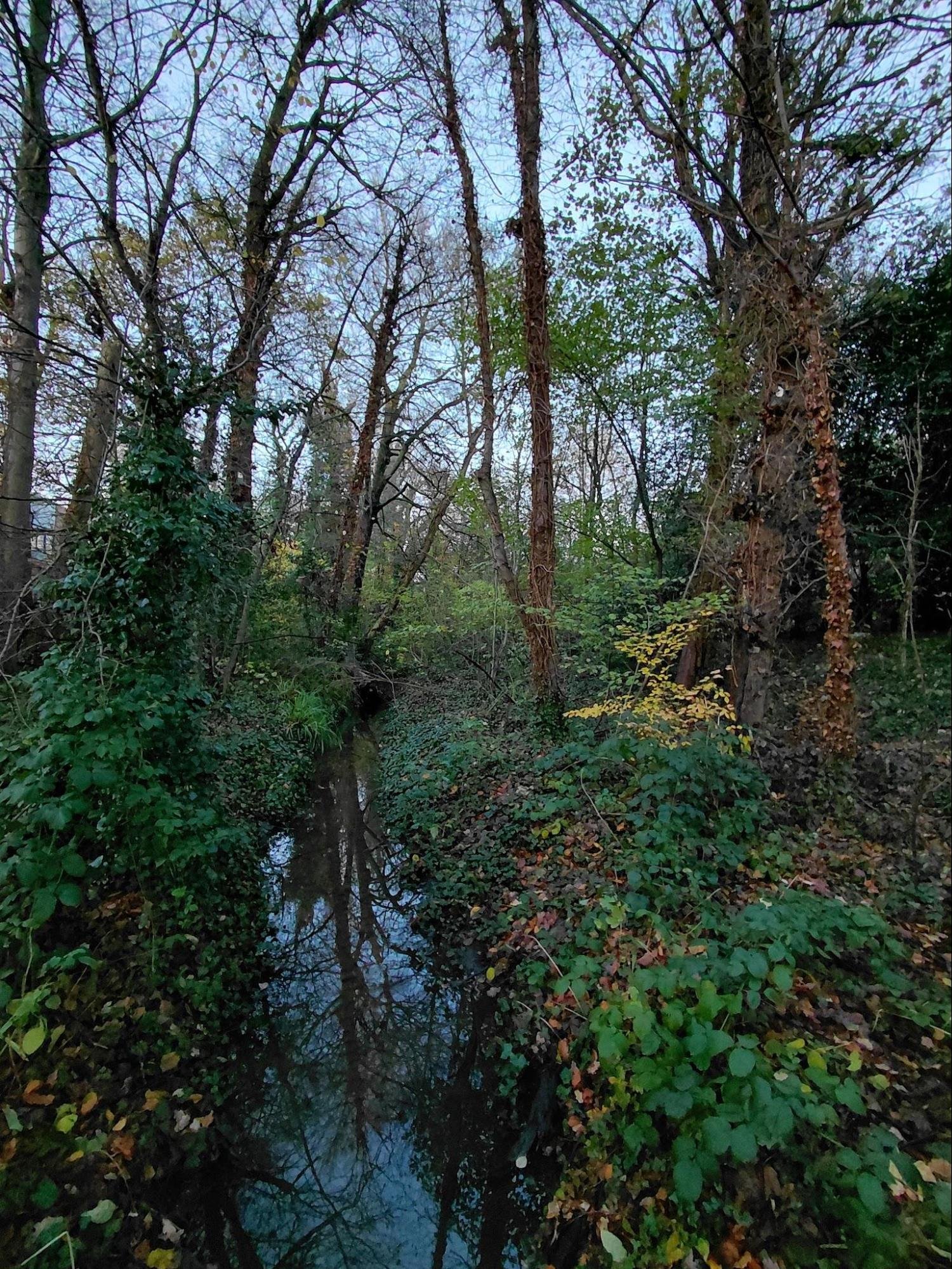
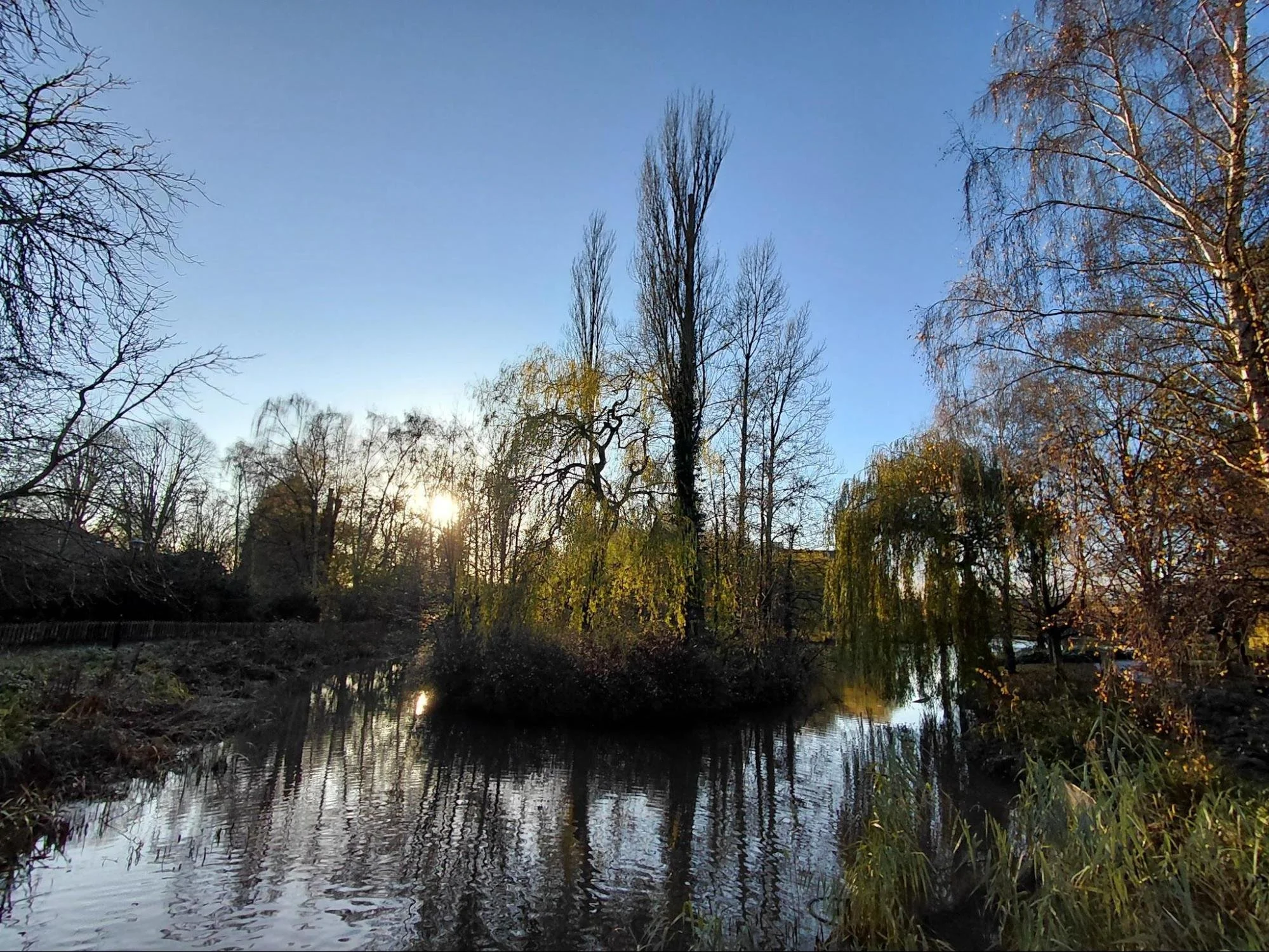
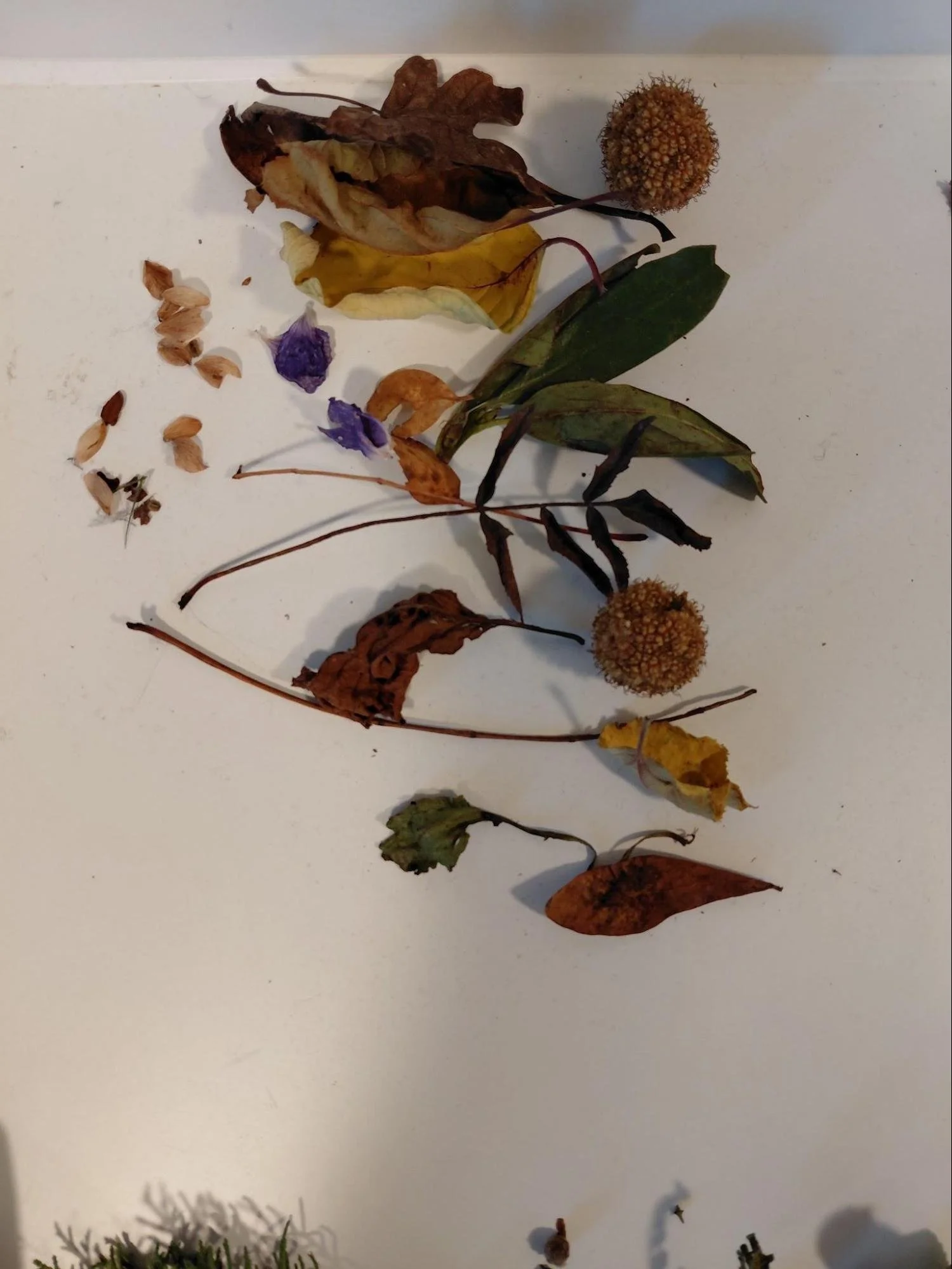
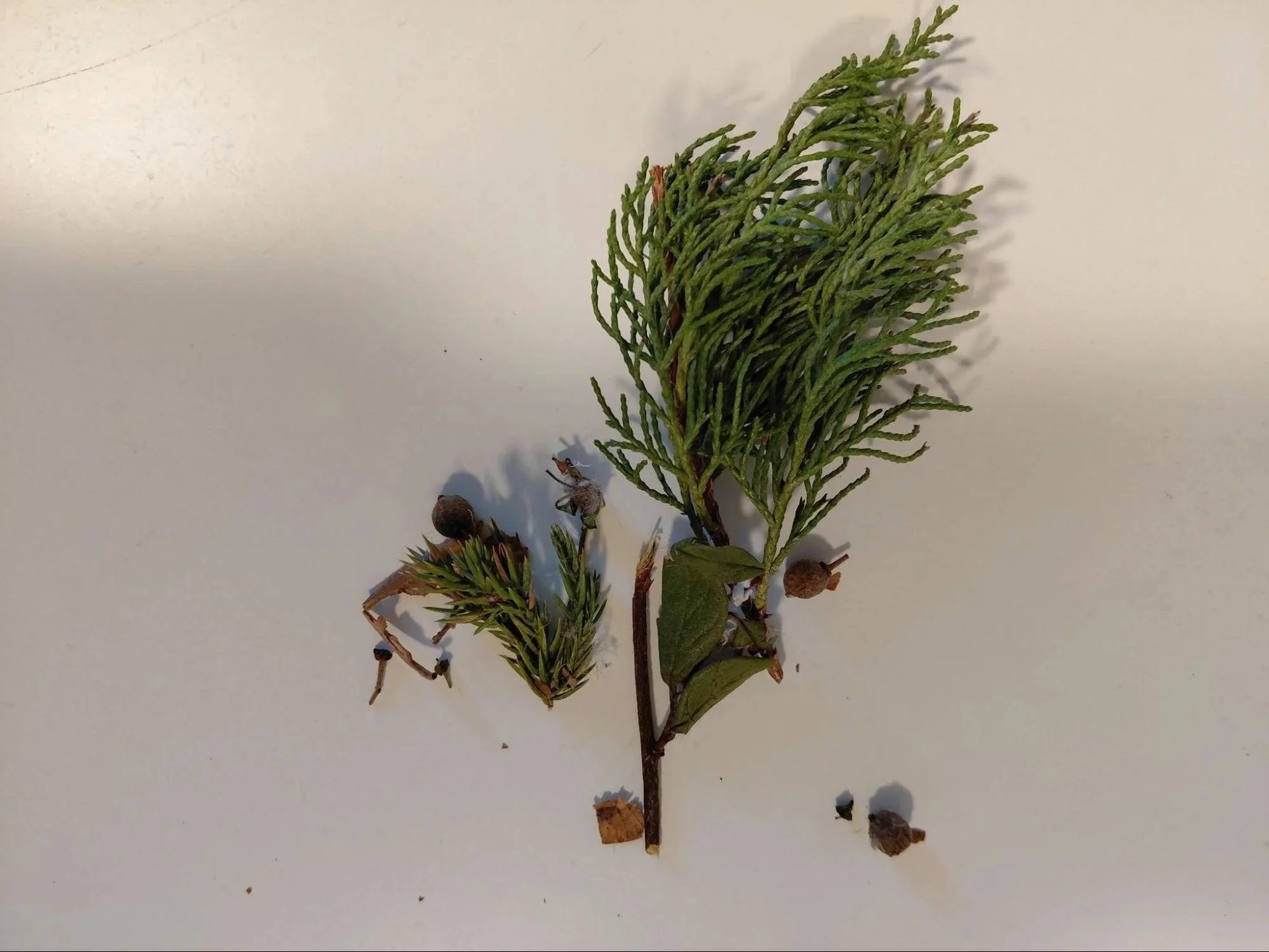
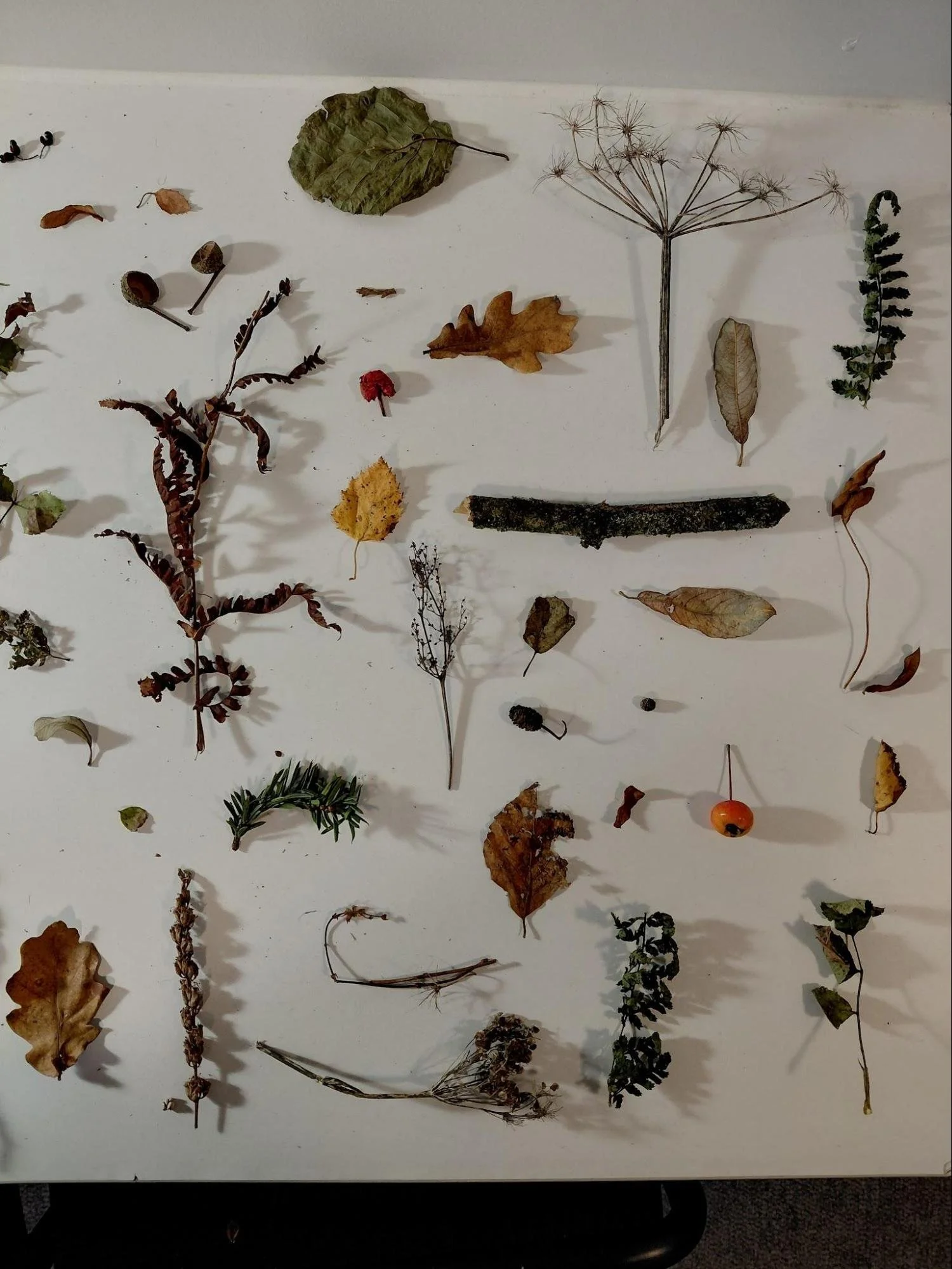
As I walked, I kept thinking about how similar walking is to stitching. Both are repetitive and rhythmic. Both ask you to stay present and be patient. Both quiet the mind, making room for reflection while opening it to new possibilities.
I also found myself thinking about how walking is, in itself, a privilege. For many women in India, it remains a freedom that is often inaccessible. Our streets are overwhelmingly occupied by men, and our cities leave little room for wandering without purpose. Public spaces are designed for moving from one destination to another, but rarely for loitering or lingering. Add to that the constant negotiation of safety, and something as ordinary as taking a solitary walk becomes a luxury. For many women, stepping outside without a male companion is frowned upon, and for some it is outright forbidden. At Rafooghar, this is something we continue to challenge by walking together (sometimes at midnight) and stitching in public spaces.
These walks, despite the cold, became a source of joy for me during my time at the residency. On one particularly joyful walk, I almost broke into a dance while walking back from a free Zumba session (gifted to me by a very kind human rights defender from Algeria). And somewhere between the dancing and the walking, I found myself thinking about joy and justice, and how often we disconnect the two. When perhaps joy is itself a form of justice. Something we must allow ourselves, even in the midst of all our struggles and our sorrows.
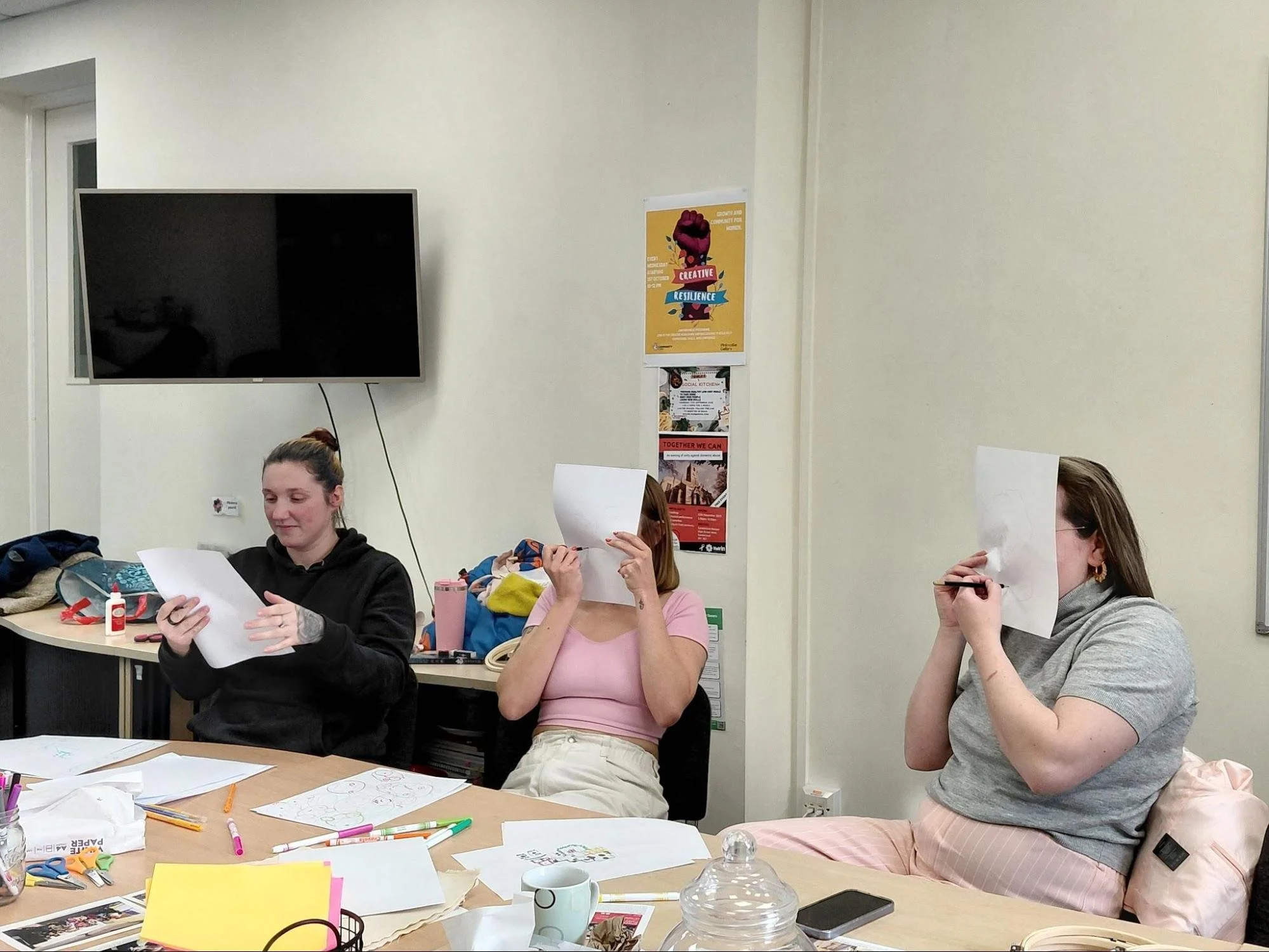
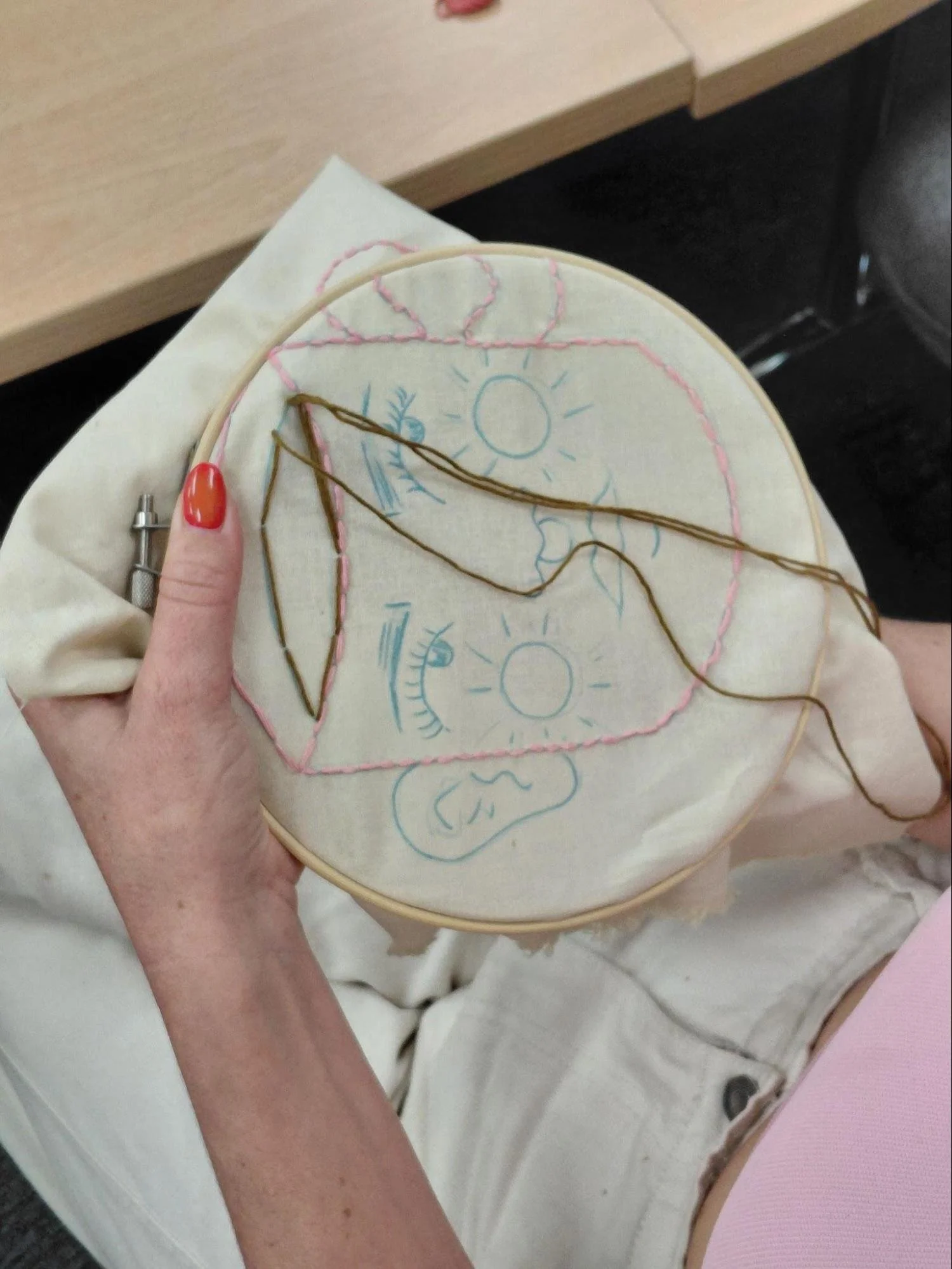
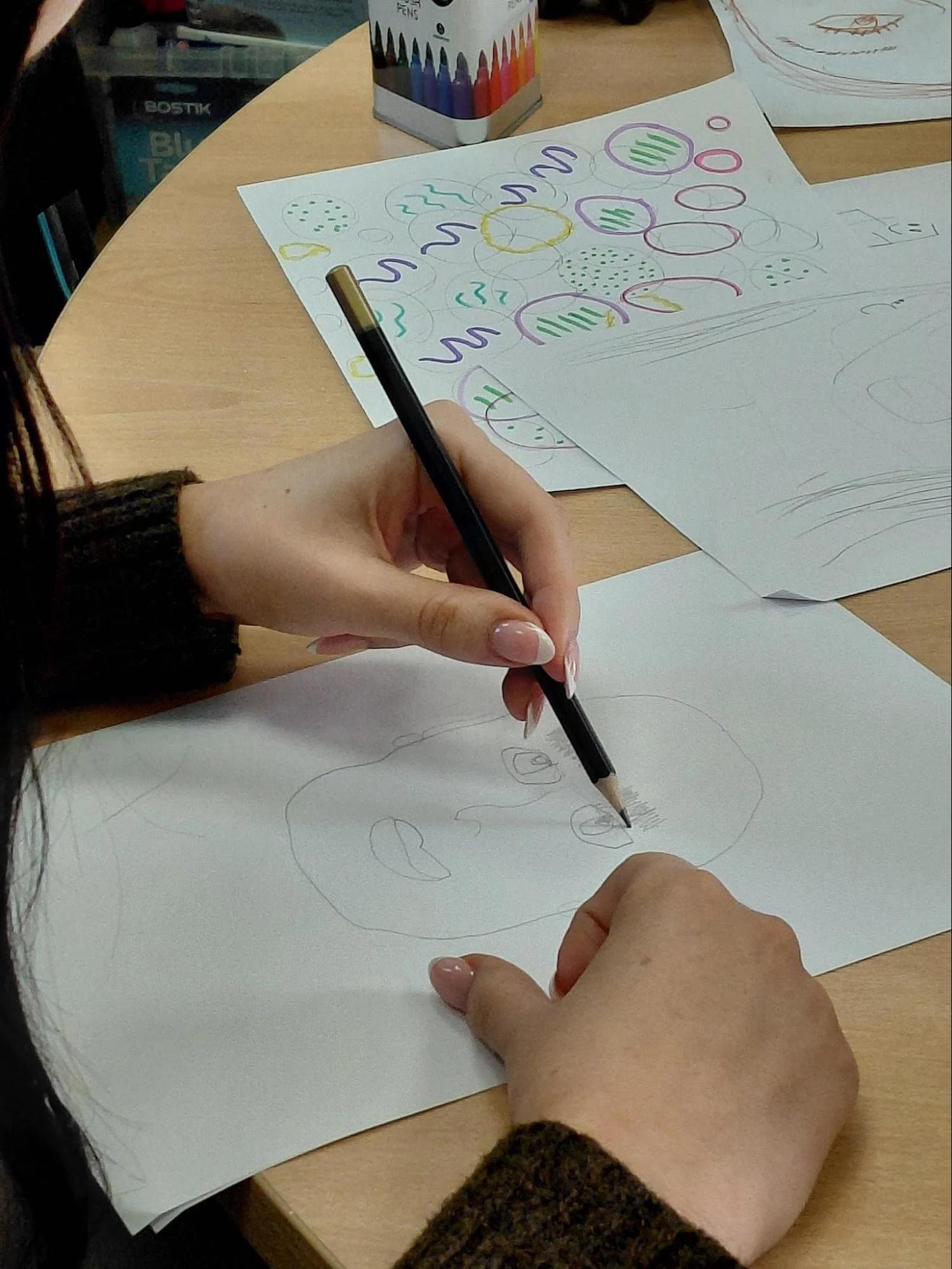
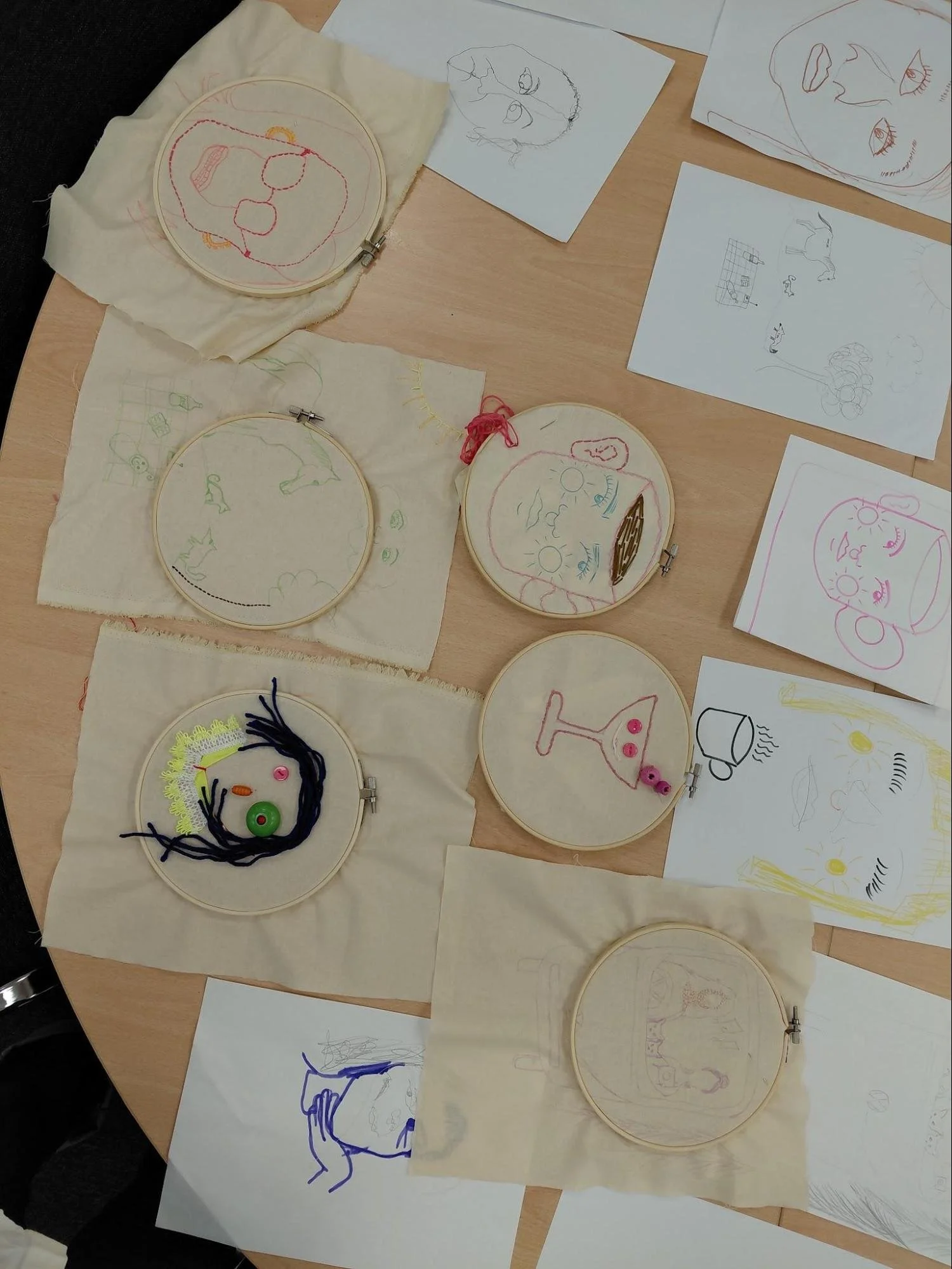
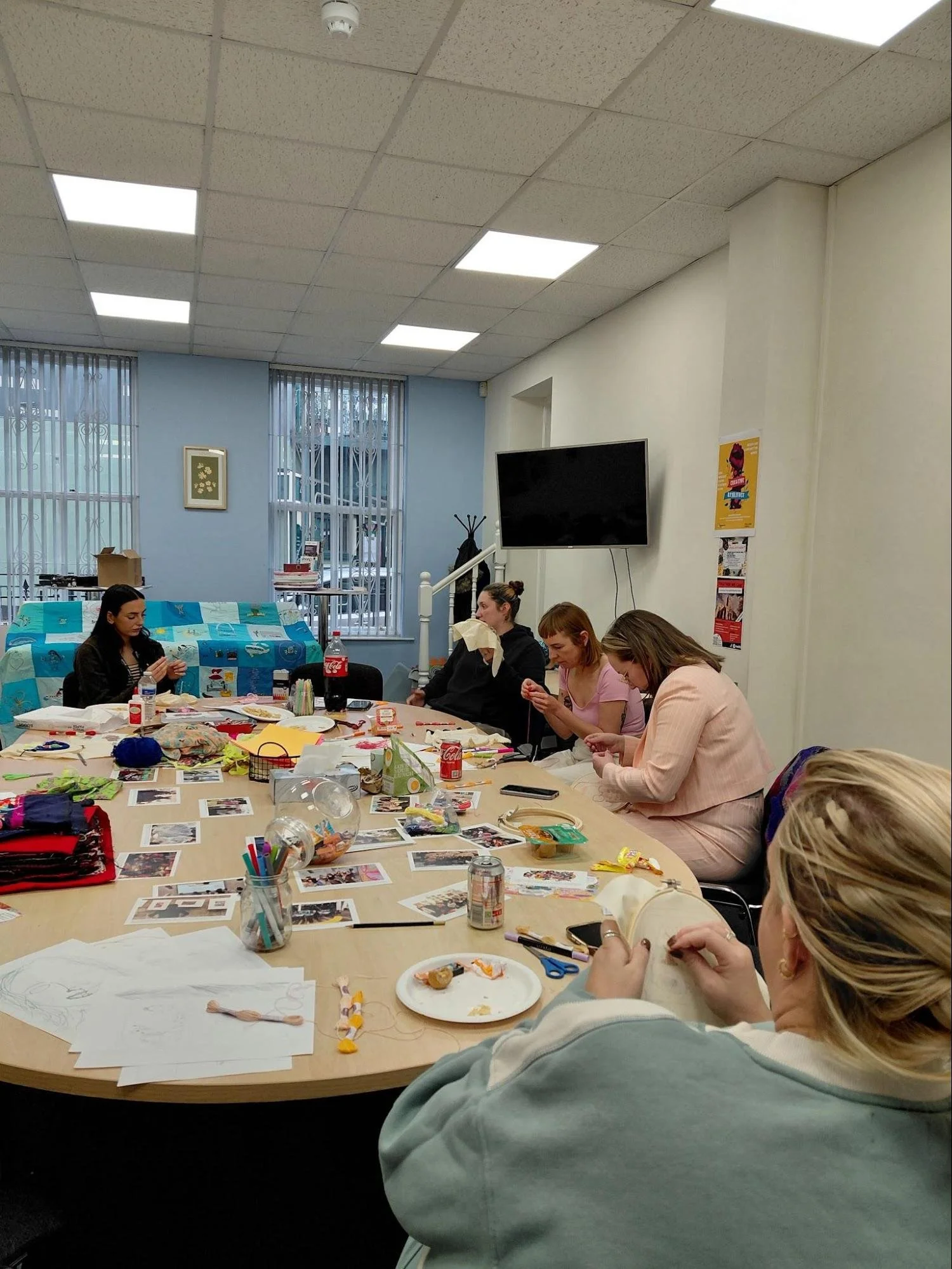
During a workshop with survivors of gender-based violence in Sunderland, one of the participants shared that therapy was extremely important to her. It helped her revisit her past, understand what had happened to her, and make sense of it. But she also said that therapy, on its own, wasn’t enough. She needed something to look forward to—something that brought her joy, gave her hope, something that made her want to get out of bed every morning. For her, that something was art.
And rightfully so, because the purpose of art is “to comfort the disturbed and to disturb the comfortable.”(Cesar A. Cruz)
I experienced this first hand while through one of the most difficult periods of my life. When my dad was diagnosed with stage 4 pancreatic cancer, I discovered that joy could exist alongside helplessness and grief. In the midst of hospital visits, endless chemotherapy sessions, uncertainty and fear, my dad showed us how to live. He would play his favourite music, cook when he had the energy, and make us laugh by sharing the most hilarious stories from his very boring job. He showed us how to find comfort in the smallest rituals. My mother and I would often take time away from our caregiving duties to stitch.Stitching and all the small acts of self-preservation kept us going. They stopped the cancer from metastasising into our minds and our memories, metastasising instead into Rafooghar- a space for joy and healing.
Art cannot erase trauma. It cannot undo injustice. But it can make our present bearable and tomorrow imaginable.
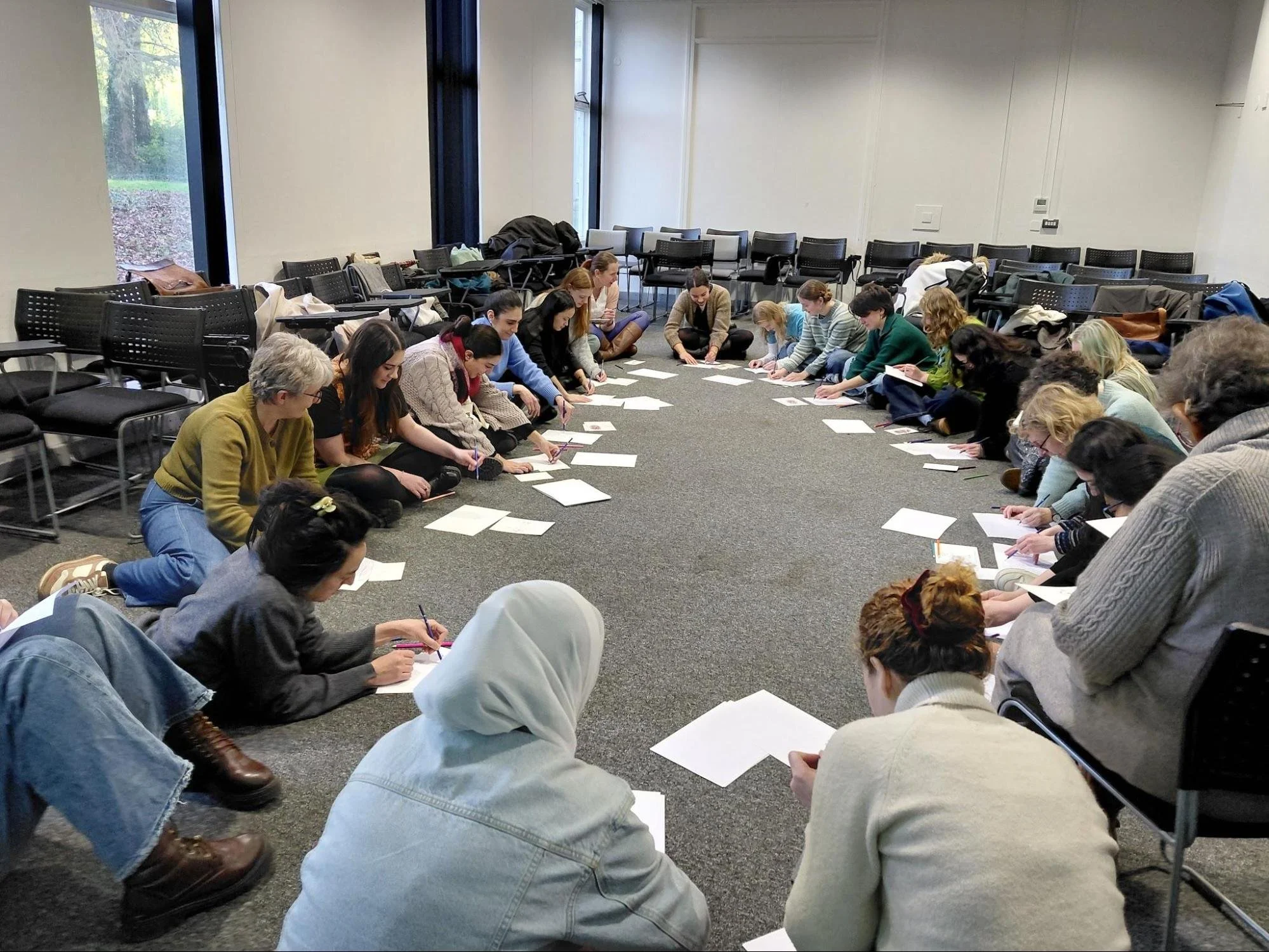
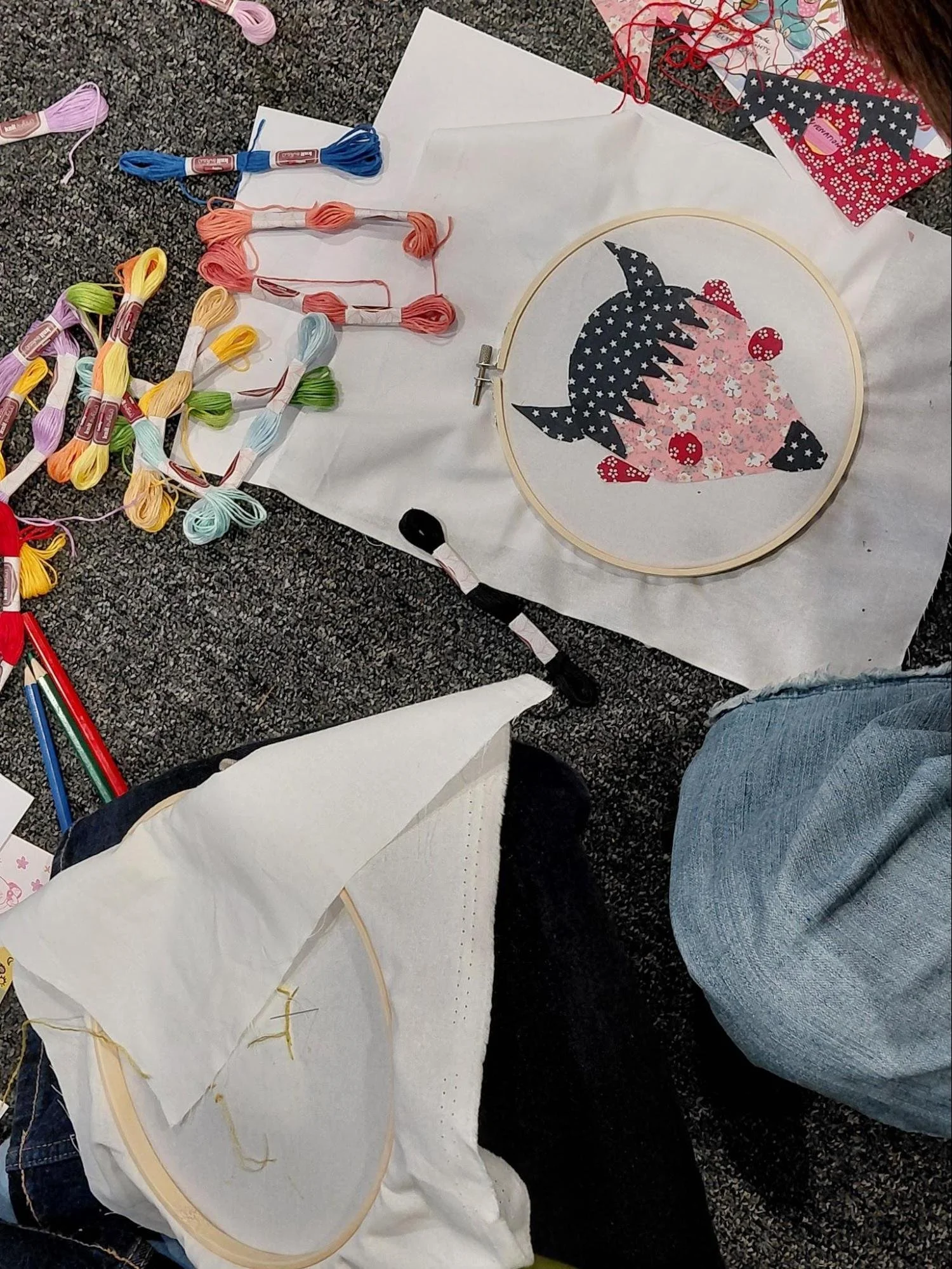
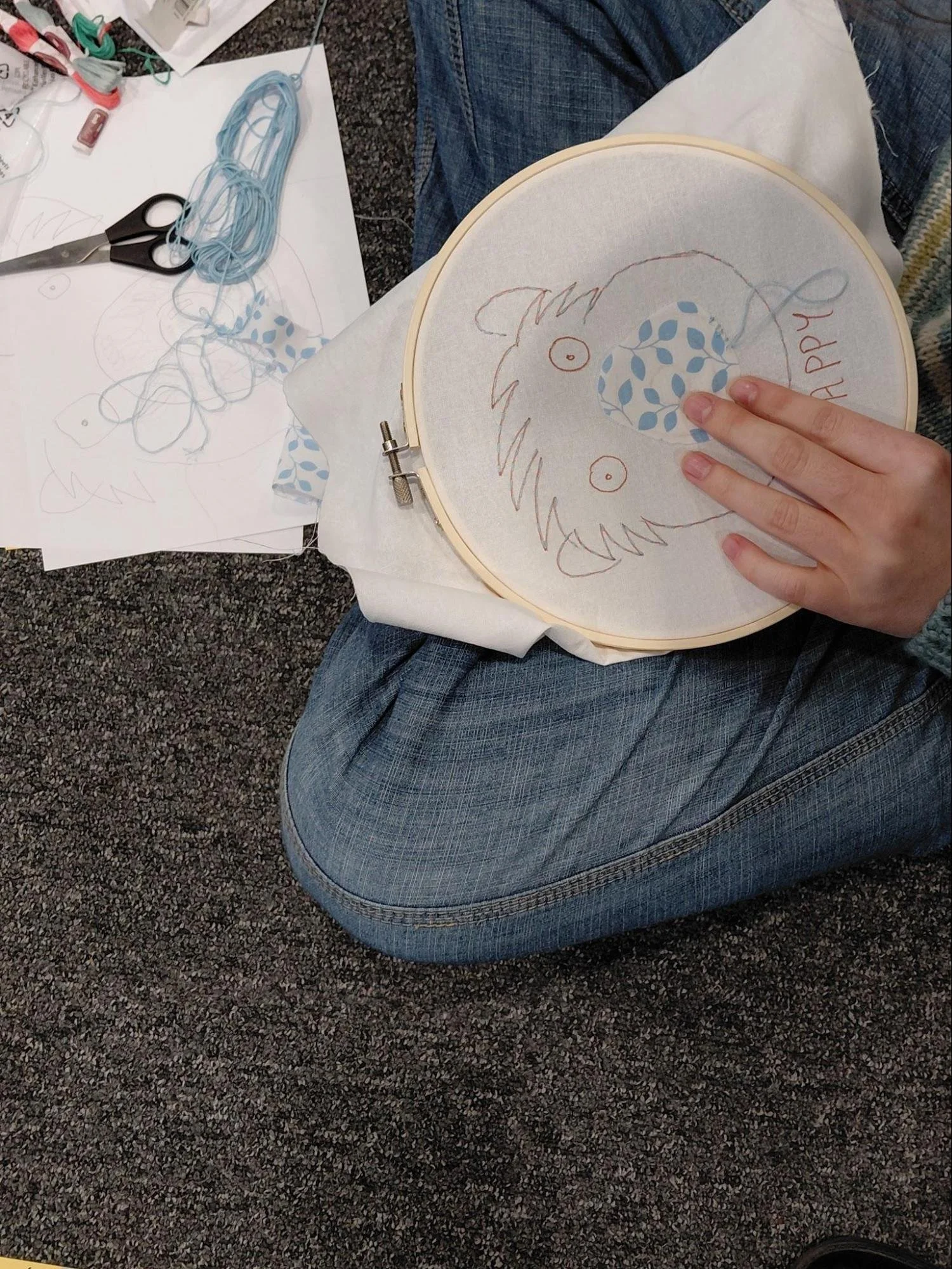
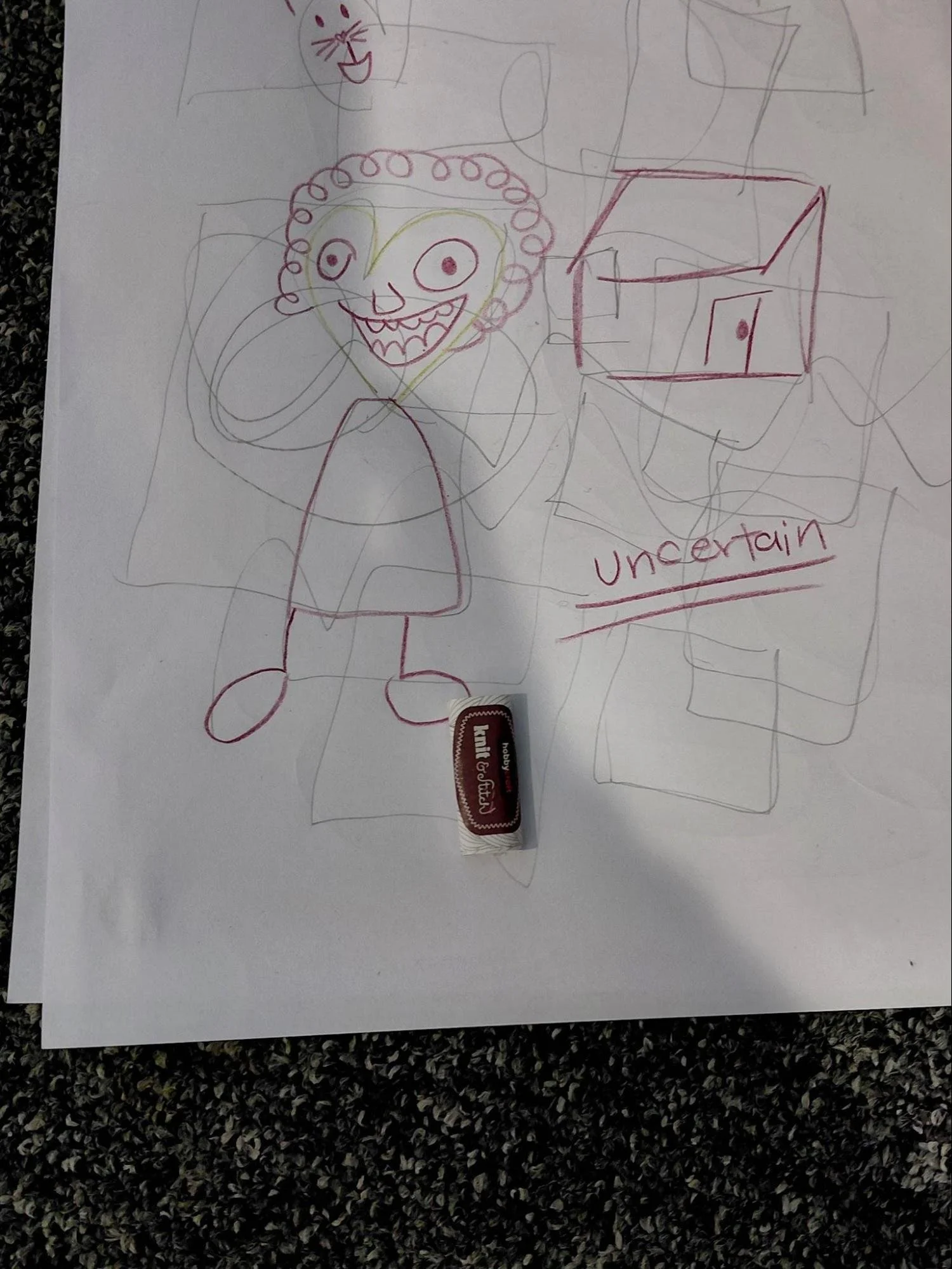
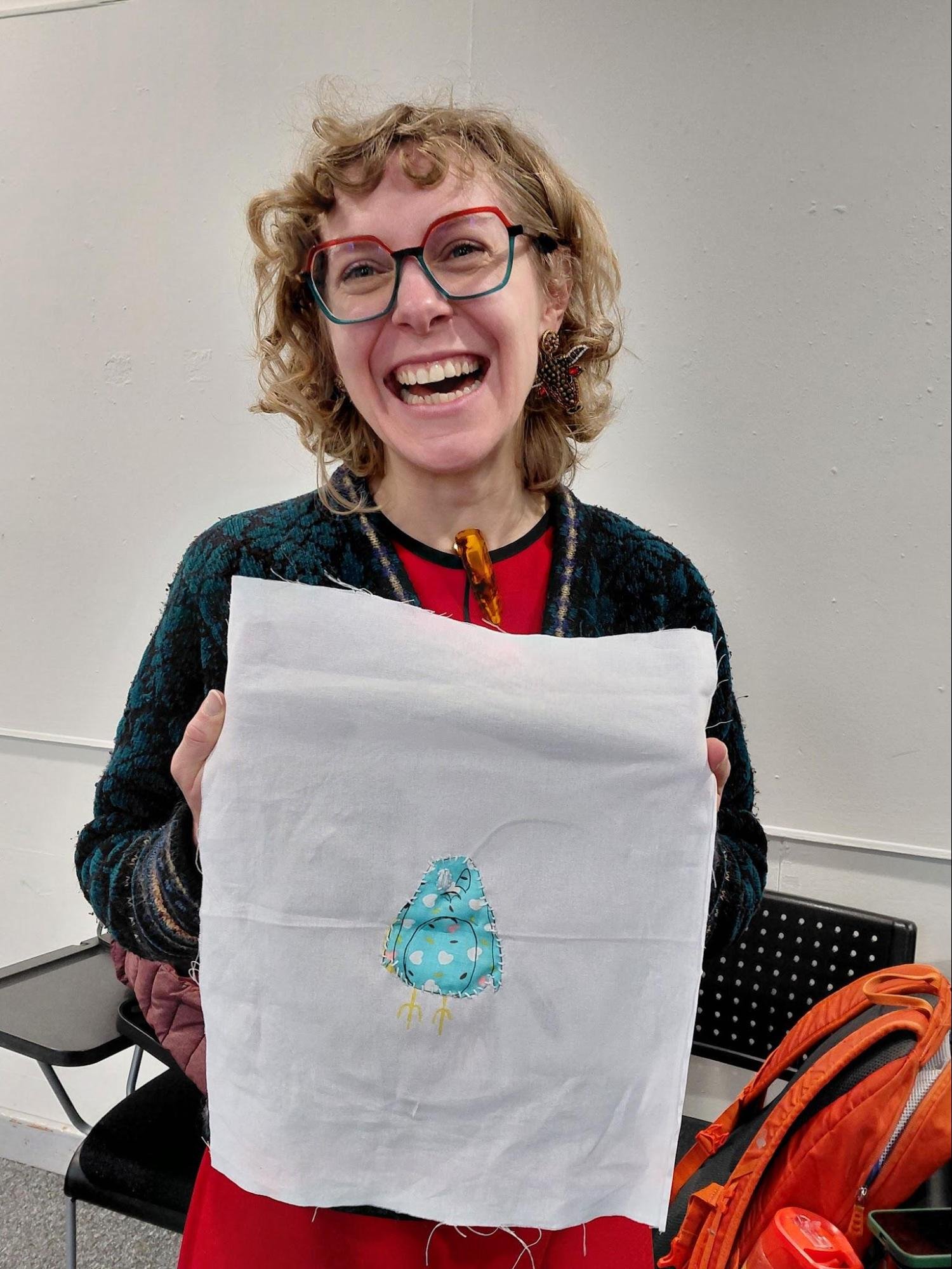
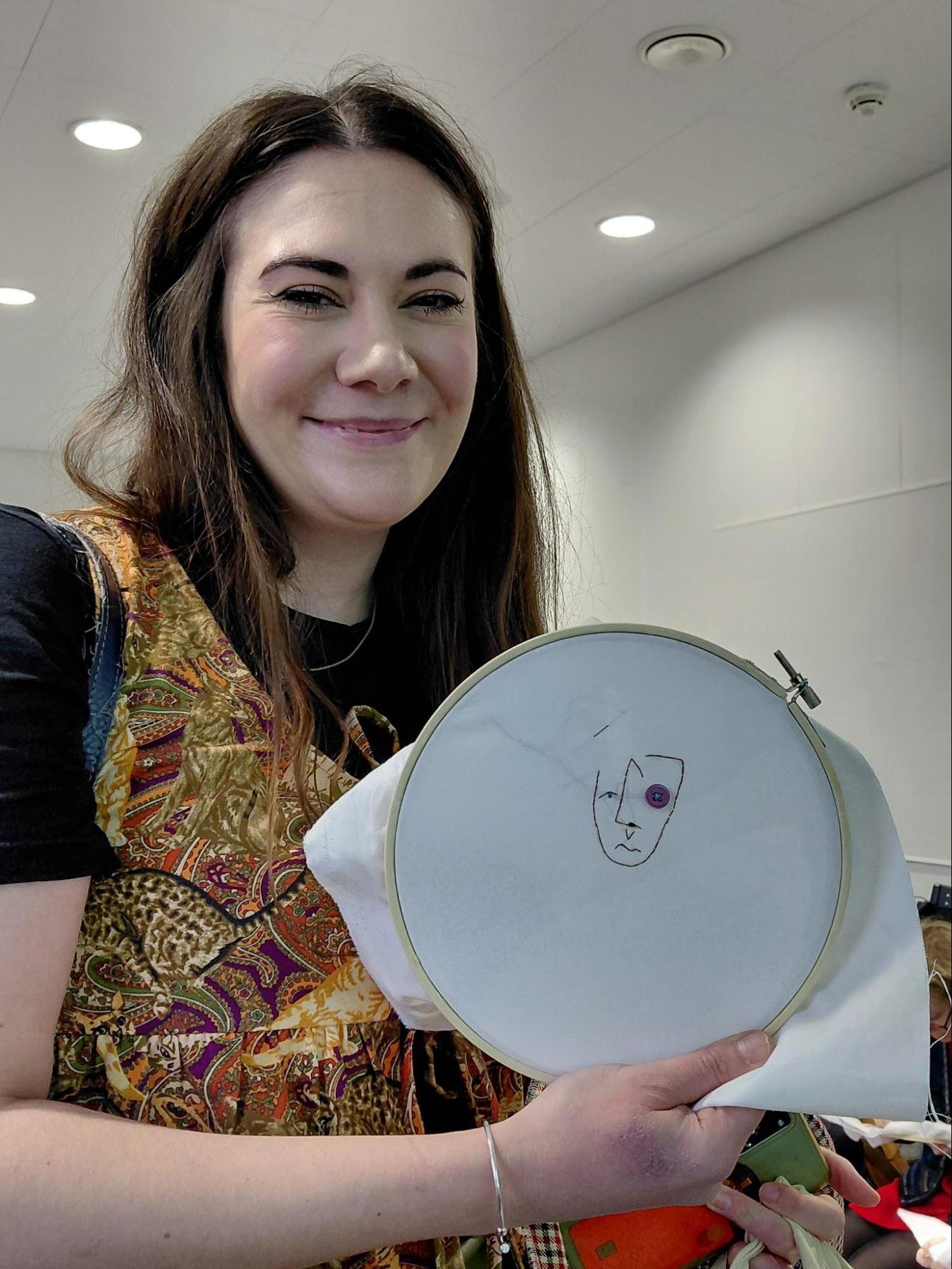
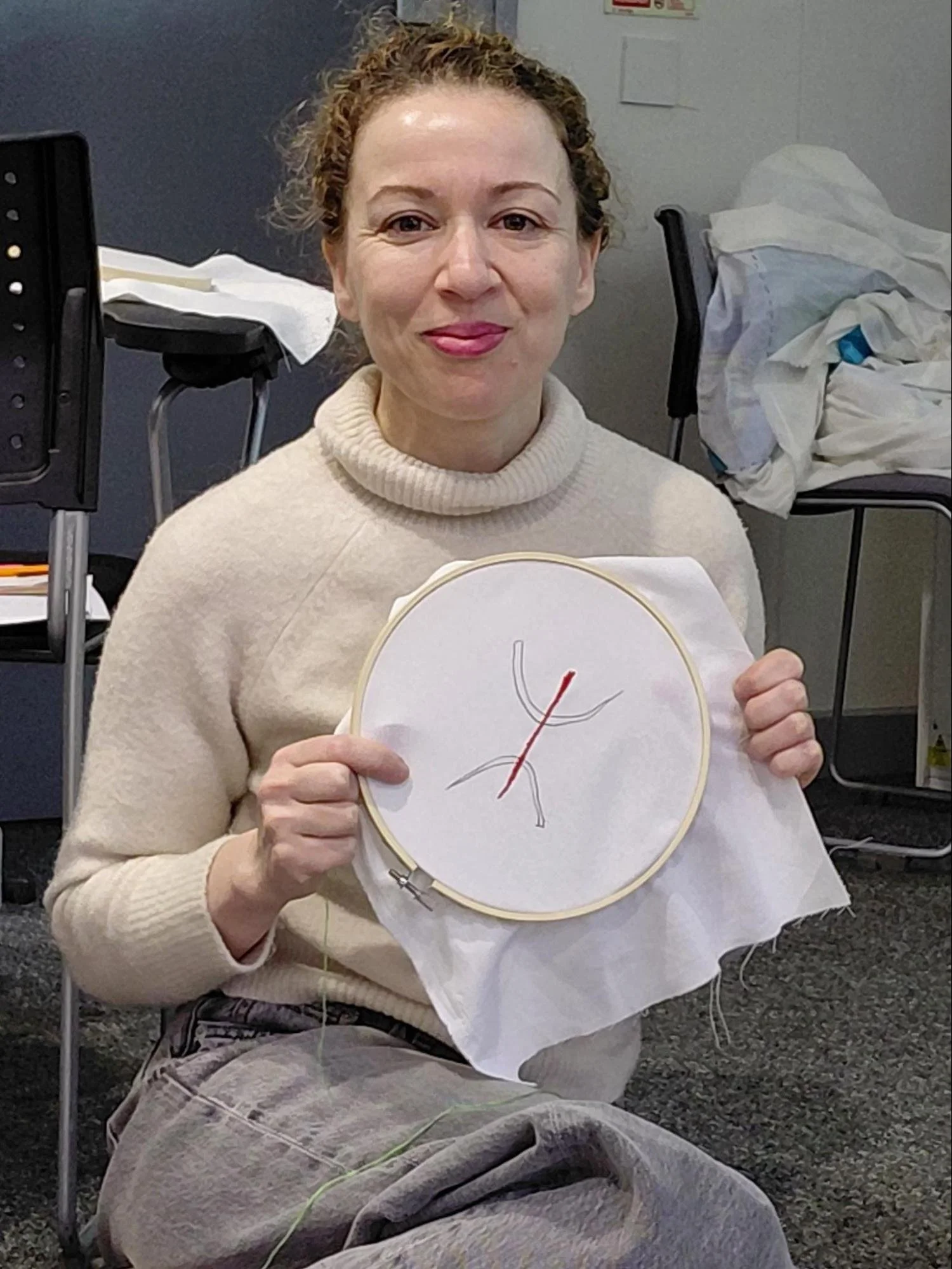
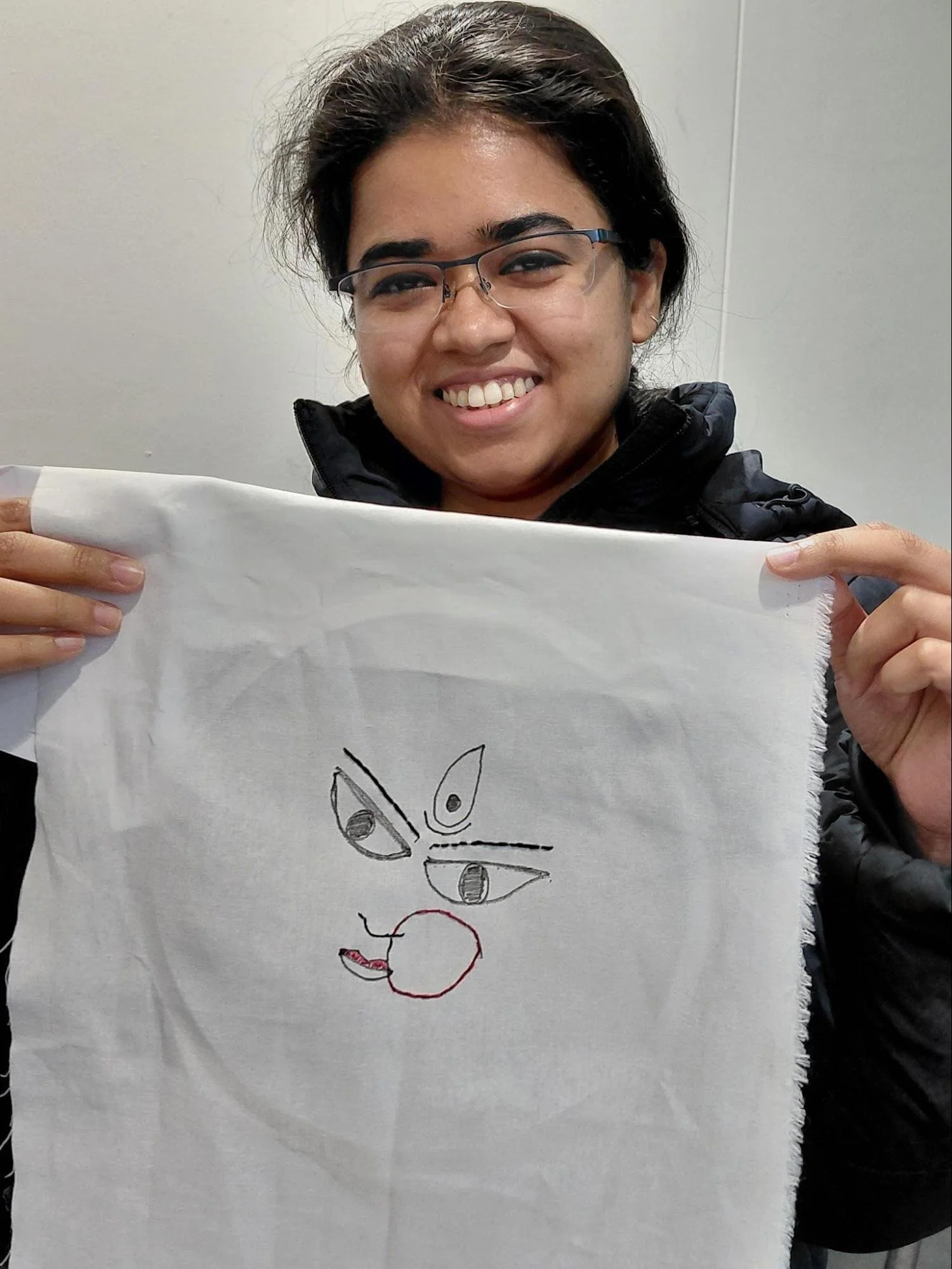
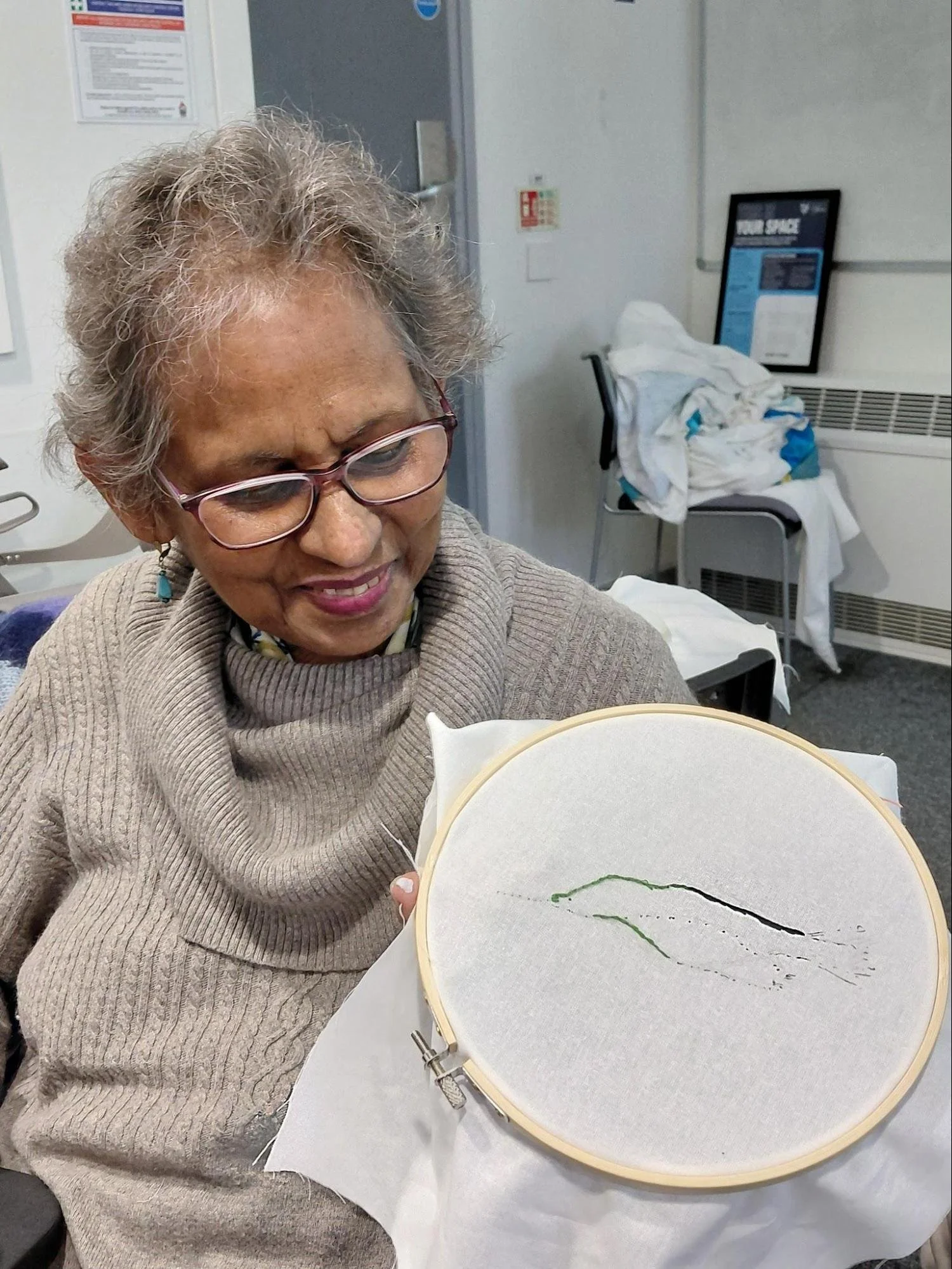
In another stitching workshop at the university, women from different parts of the world, of different ages and backgrounds spent their morning sitting together, sharing stories, opening their hearts to complete strangers. Who would have thought that a tiny needle had the power to connect us all?
A room full of women, choosing rest, choosing beauty, community and joy - small acts of resistance. Another Rafooghar .. a deja vu of sorts!
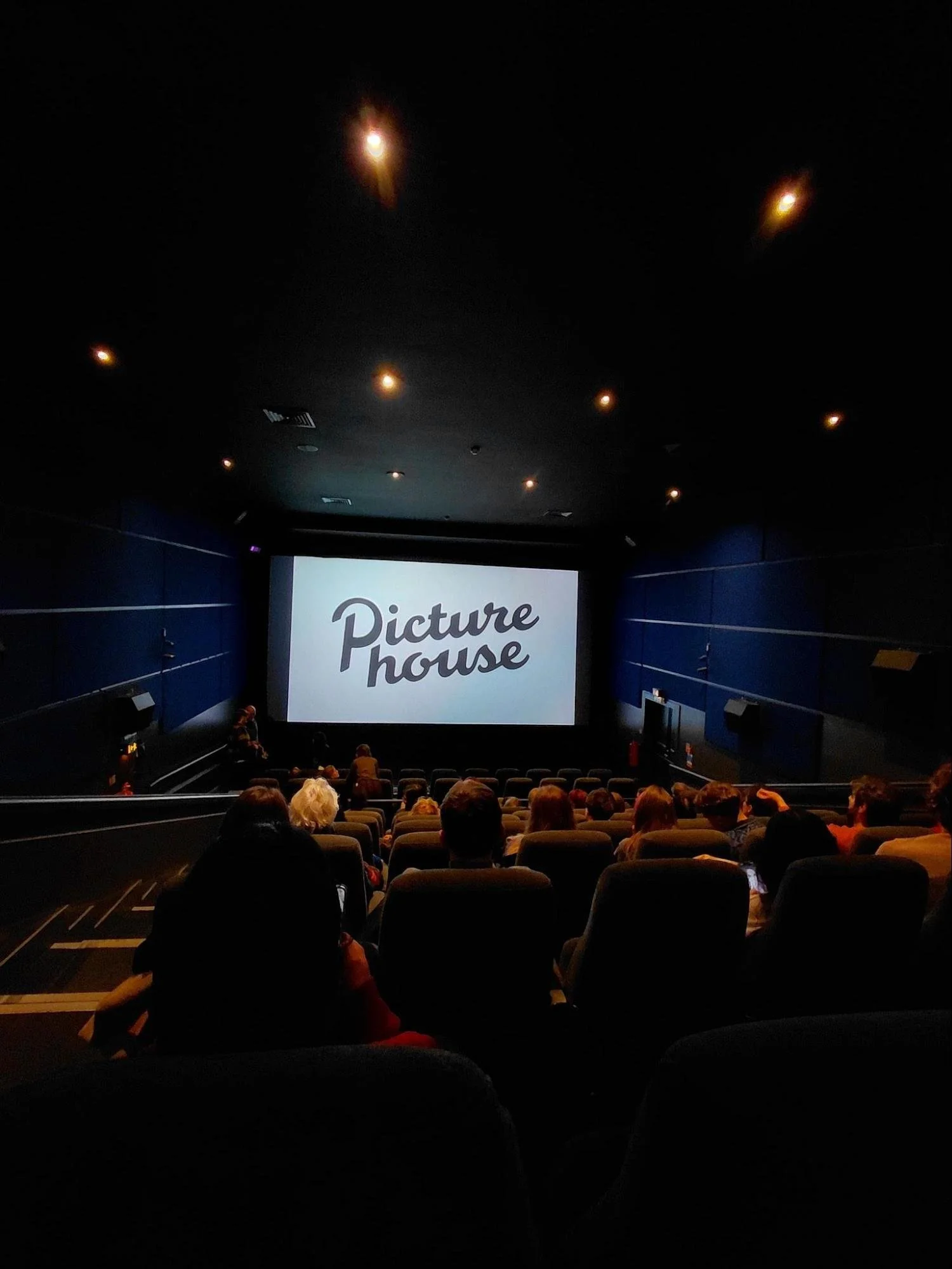
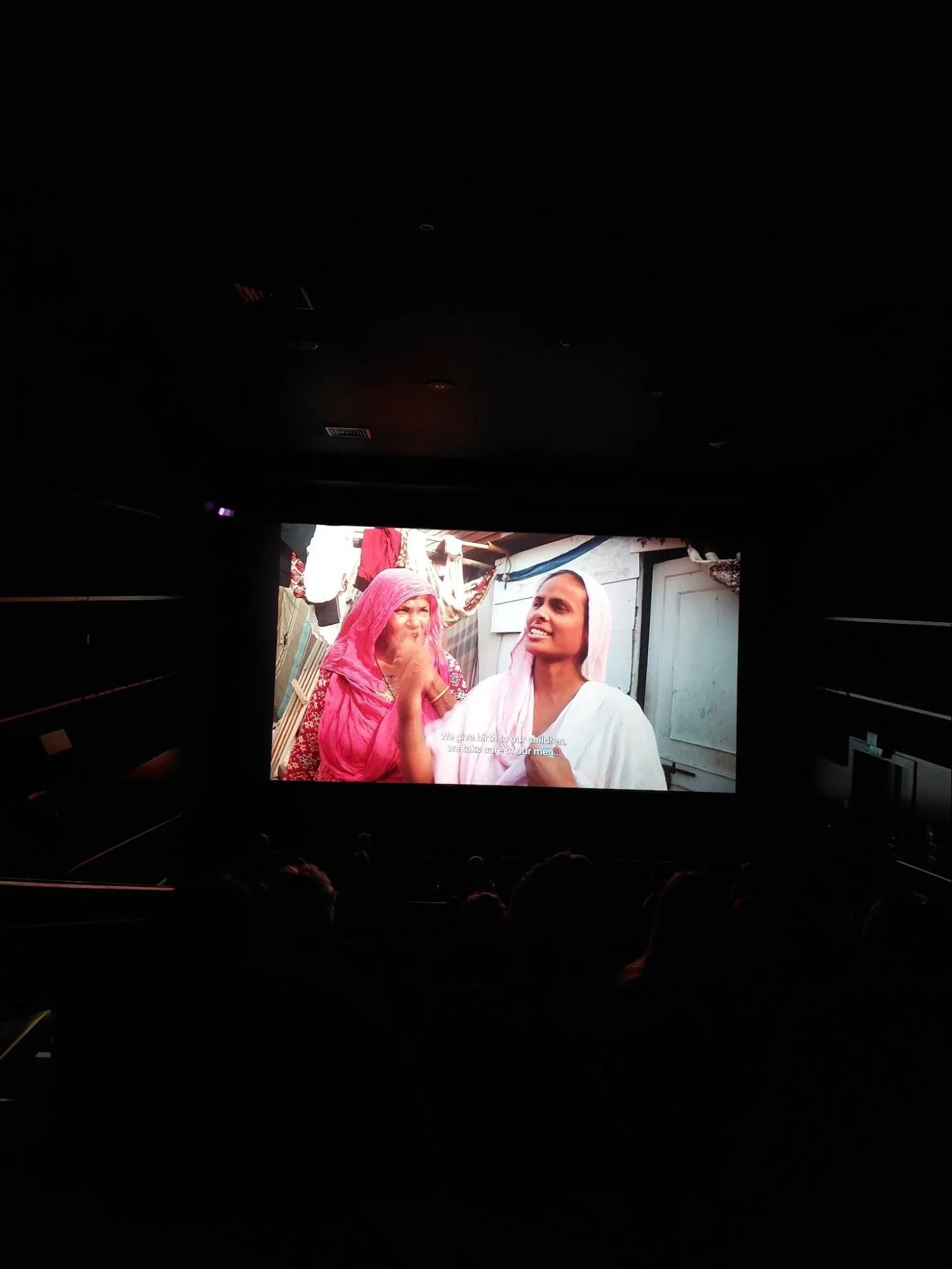
During my time at the Residency, I also got the opportunity to participate in a screening of Emilie Flower and Lia Petrelli's Don't Worry, We Have Nothing to Say at City Screen, York.
In 2024, filmmaker Emilie Flower, artist Lia Petrelli, artist-researcher Tallulah Lines and I were in a Residency in my home country as part of the AHRC Art Rights Truth research project from the University of York. During their time here, Emilie and Lia made a film centered on Rafooghar, focusing on the power of artistic practices and methodologies to advance human rights movements.
The screening was followed by conversations, in which Emilie, Tallulah and I reflected on the role of art in our lives and the ways it helps us imagine new creative languages and strategies for advocating for human rights. We spoke about Shaheen Bagh- the place that currently houses Rafooghar -at Yellow Streets and had gained international attention during the winter of 2019 and early 2020 for the historic,women-led sit-in against the controversial Citizenship Amendment Act, discriminatory towards Muslims and religious minorities. Muslim women from the area gathered in large numbers for the first time in their lives to protest and occupied the streets for 101 days, inspiring similar protests across the country. Art, poetry, music, murals and a community library transformed an ordinary road into an extraordinary site of democratic imagination. The women showed us a new way of dissenting in which art, community and friendships played a crucial role in asserting our constitutional rights.
Speaking of friendships, one of the greatest gifts of the residency was the opportunity to make new friends, spend time with and learn from fellow artists-in-residence- Wezile Harmans and Leonel Vásquez.
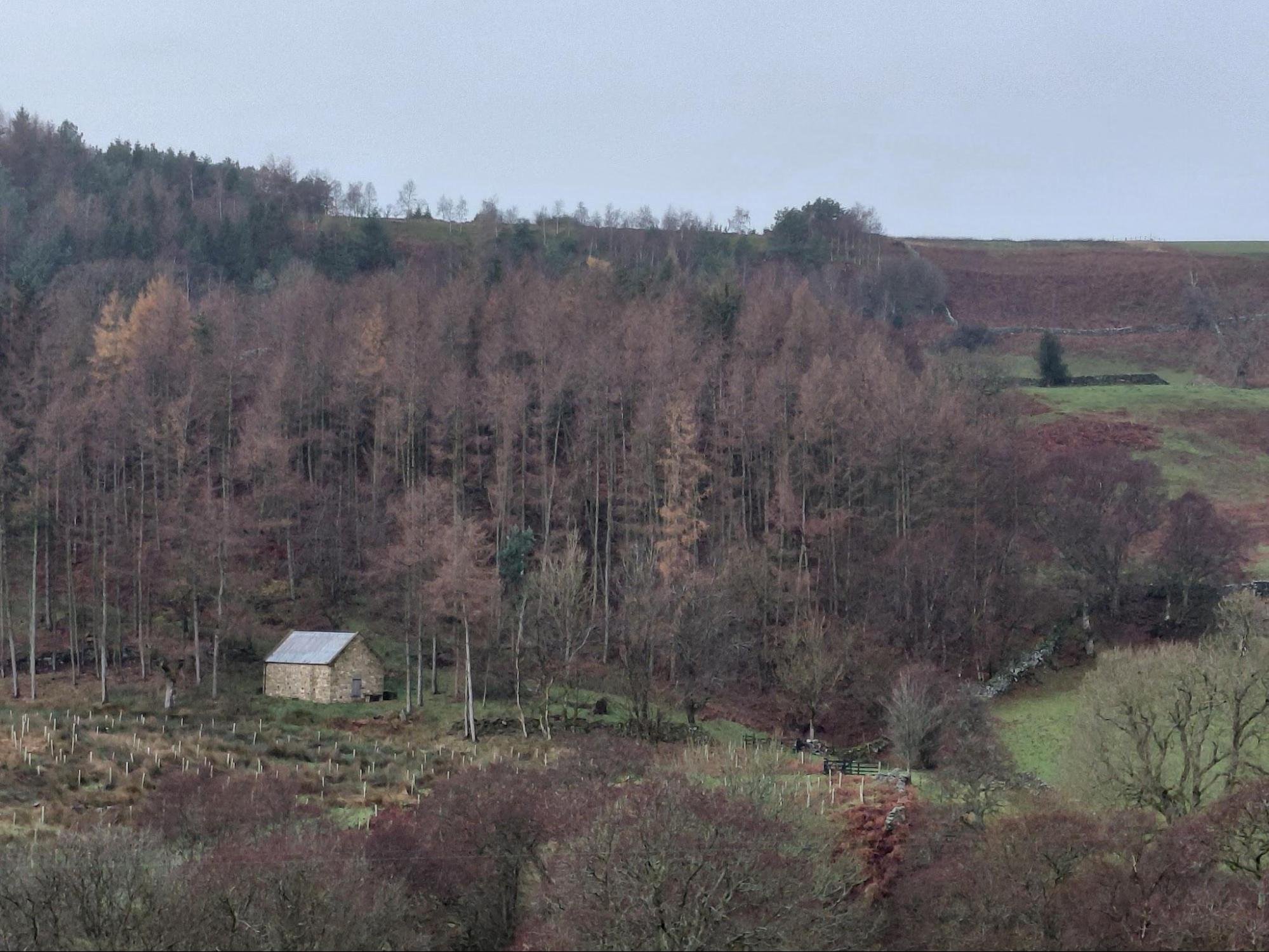
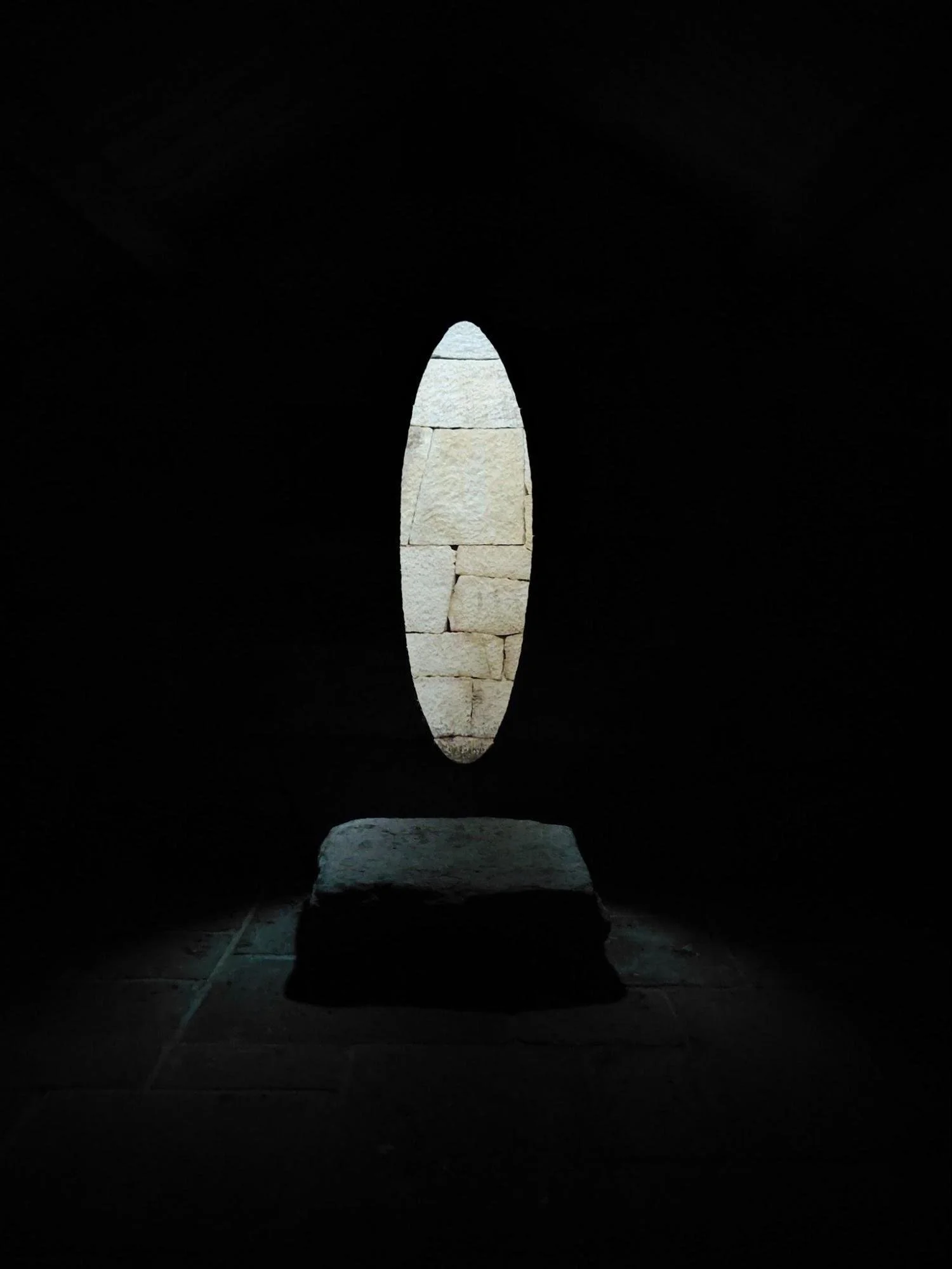
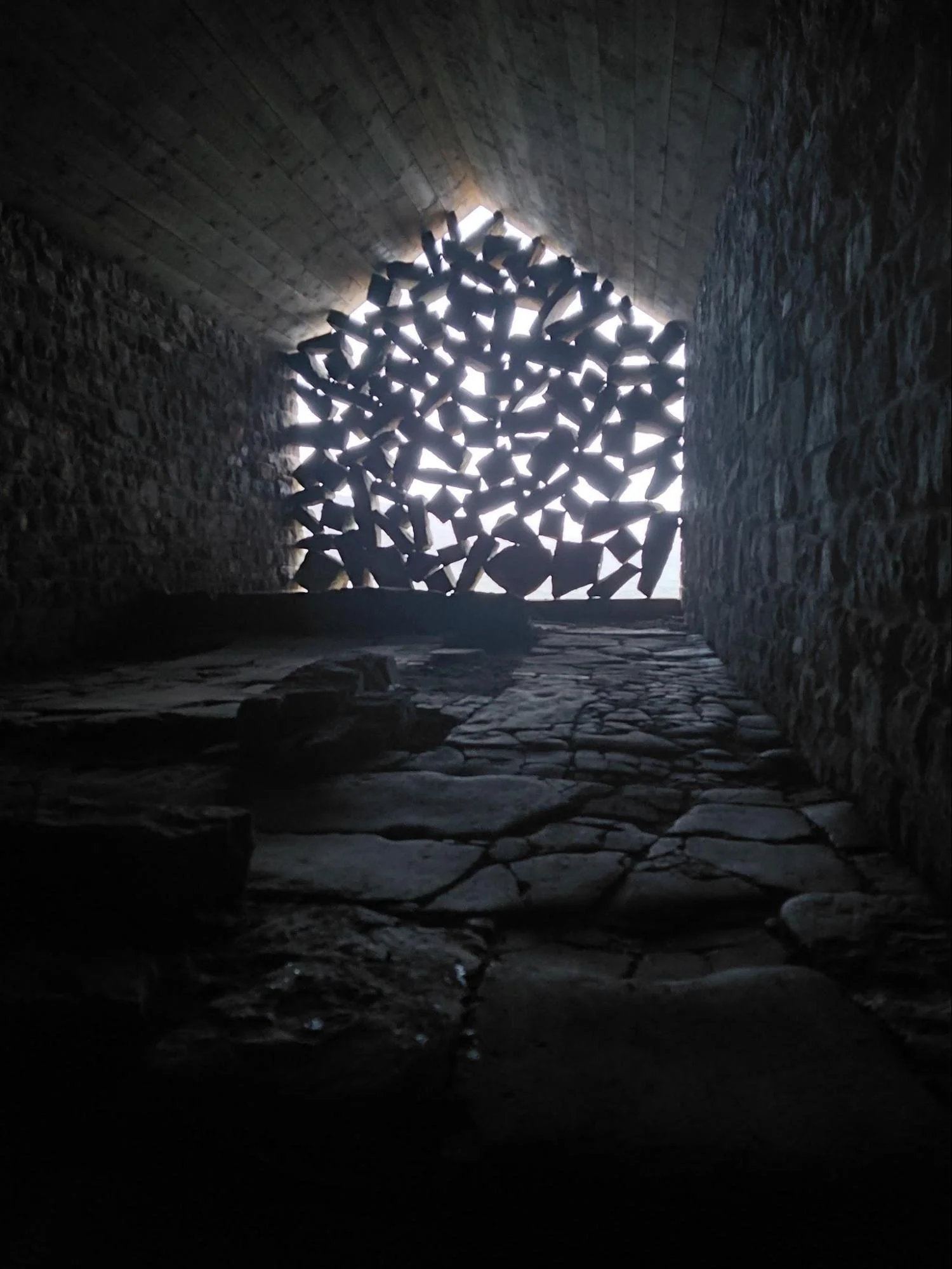
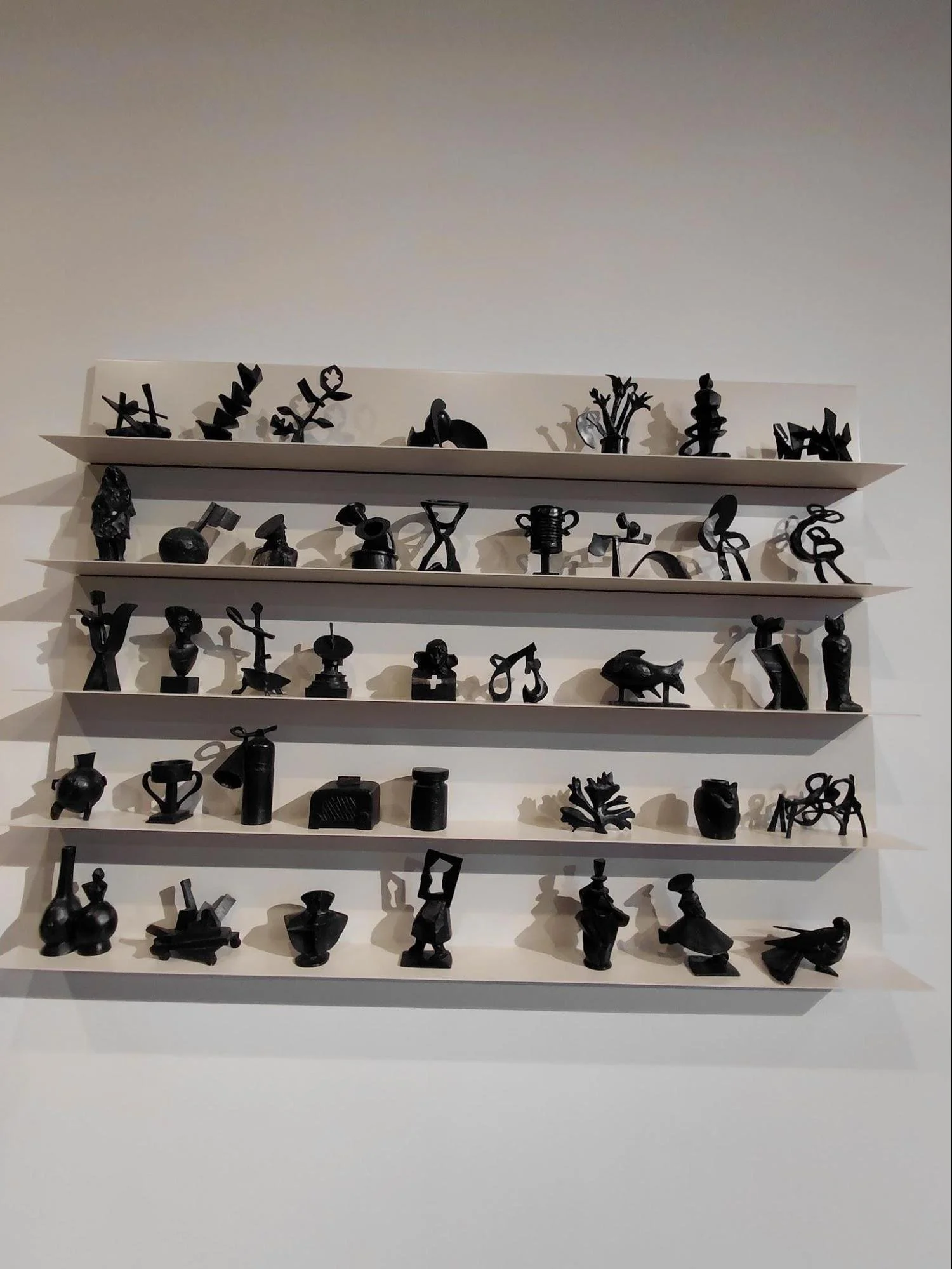
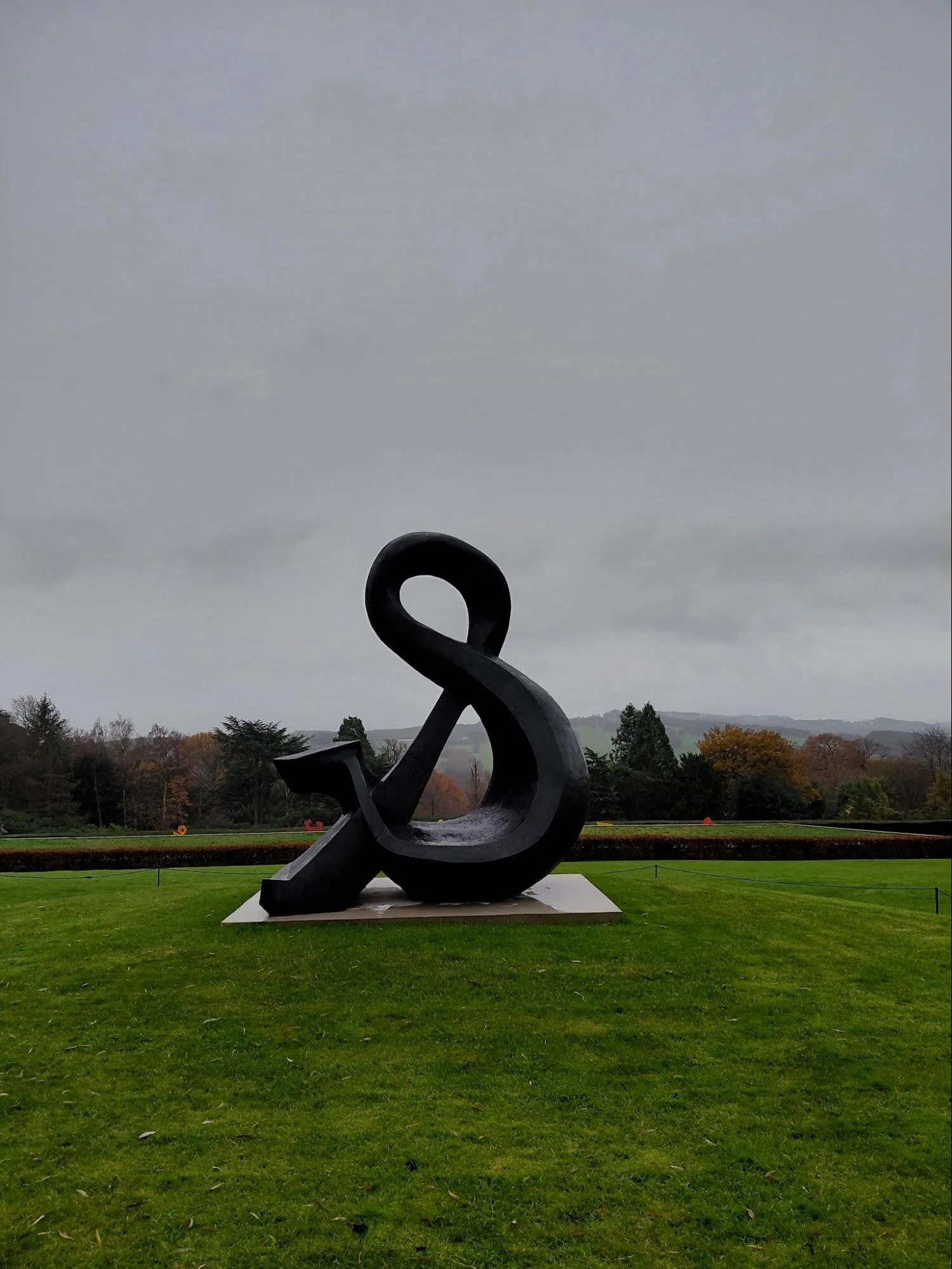
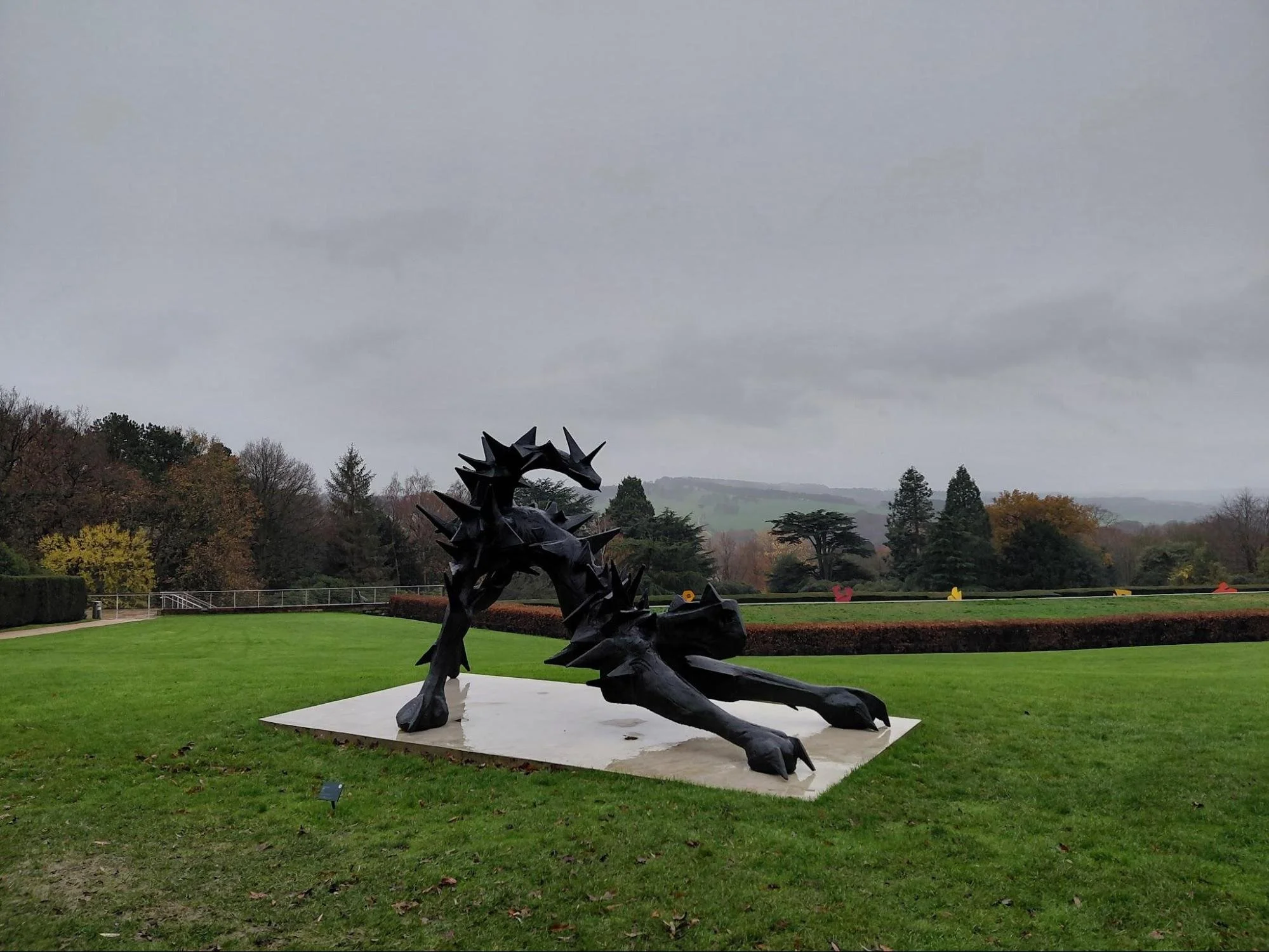
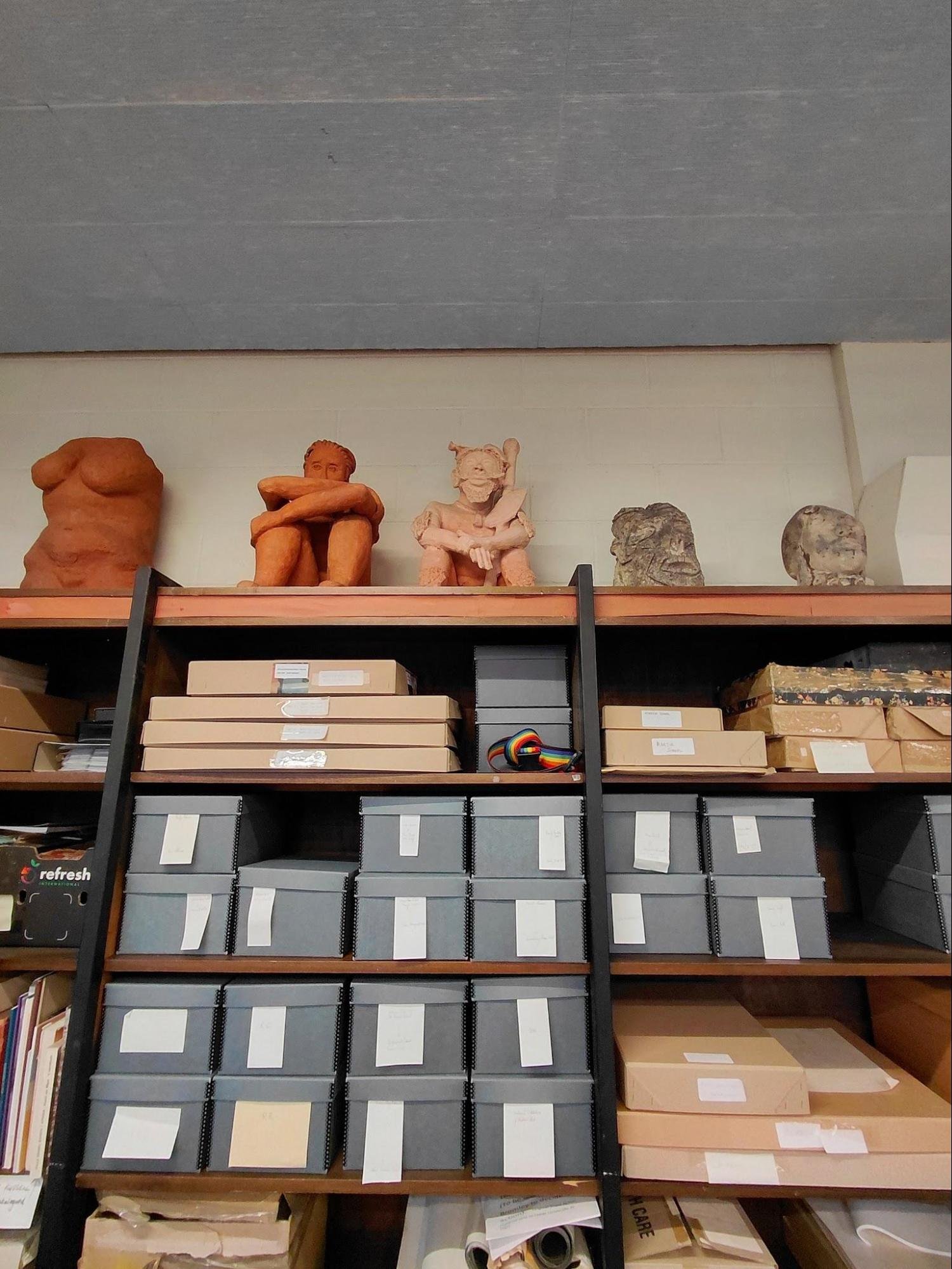
We spent an exciting day walking the six-mile circuit across the North York Moors in pouring rain to see Andy Goldsworthy’s Hanging Stones. On another equally rain-soaked day, we wandered through the Yorkshire Sculpture Park, spent few hours at the National Arts Education Archive, and were incredibly lucky to see the expansive and expressive works of William Kentridge.
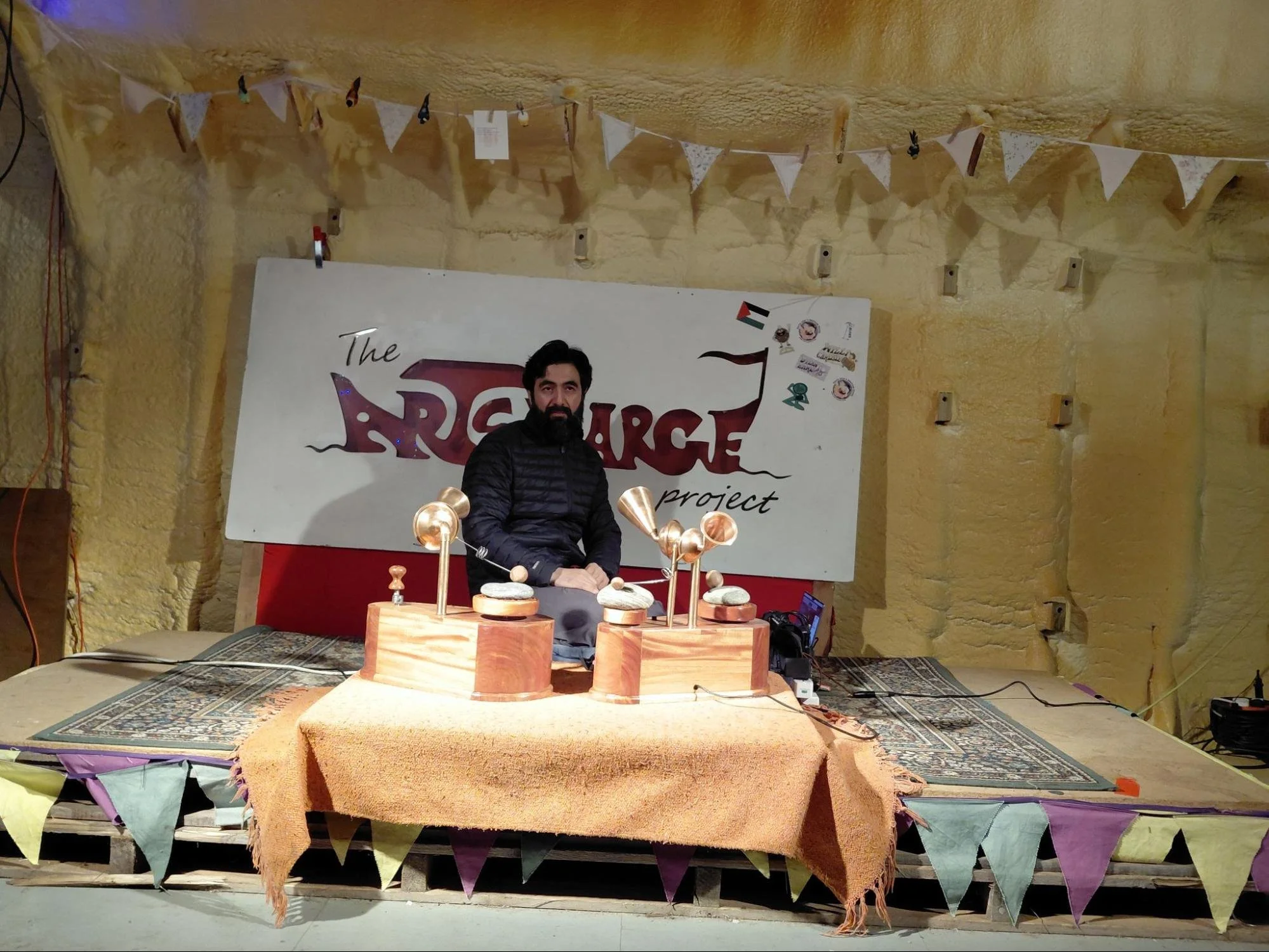
It was also incredibly moving to see Leonel perform Grandmother’s Songs in which Leonel makes river stones “sing” by setting them in motion and amplifying their sound. “Stones are like grandmothers”, he says, “for they preserve in their harsh silences the wise voice of time.”
My last day at the Residency was spent at the lake. I came back home joyful, hopeful and well-rested.
Title inspired by J. Drew Lanham’s Poem - Joy is the Justice We Give Ourselves