
Wezile Harmans
The institutional way of archiving is governed by systems of protection and control. This is because institutions are responsible for every projection and presentation they offer to the public, as they operate on highly visible platforms that carry complicated and often contradictory consequences. This raises an important question: Who decides what needs to be archived? Through my tour at the University of York, I felt that the answer revealed itself in the kind of stories and events that were preserved. Most of what was archived were well-known events with recognised impact, stories that “made the cut” largely because they were already documented.
Institutional archives depend on what is “tangible” and “visible” as evidence, while community archives exist through practice, memory, and traces carried by objects and people. These two spaces (the institution and the community) both play important roles. I believe the question of which space is more powerful is not productive; rather, both hold power in different ways.
In my practice, I have been considering the existence of multiple truths as an entry point into these complex narratives. While institutions hold these tangible objects, there is also the great risk of loss (even in digital archives, because technology is not our best friend), especially when these objects are treated as the only evidence of history. In contrast, community histories are carried through people. While they too risk distortion over time, they also hold the strength of collective memory and shared remembrance.
When I was researching for my Chapter 1 in Locating Spaces of Urgency, I was focusing on the creation and existence of Endlovini (informal settlements in South Africa), looking at them as a form of archive. The community members were contesting the dates of their existence. Upon conducting my field research, I noticed that the conflict is often a reflection of different lived experiences and criteria for defining events, rather than one side being definitively “right” or “wrong.”
My experience at the University of York went beyond the typical understanding of a “residency method.” I learned a great deal about how institutions archive knowledge, and about the objects and spaces they use to preserve and transmit information. I became interested not only in the formal systems of the institution, but also in the everyday encounters that allowed me to understand how these systems function.
These encounters began with simple interactions, such as signing in and borrowing a library card, and extended to conversations with lecturers and staff members who were generous in sharing their knowledge of the institution and its spaces. The residency introduced me to aspects of the university’s institutional systems: what holds them together, the spaces they occupy, the materials they preserve, and the histories and communities connected to them. This made me think about the communities I work with back home and how they also have their own policies, structures, and informal systems that hold and organize knowledge.
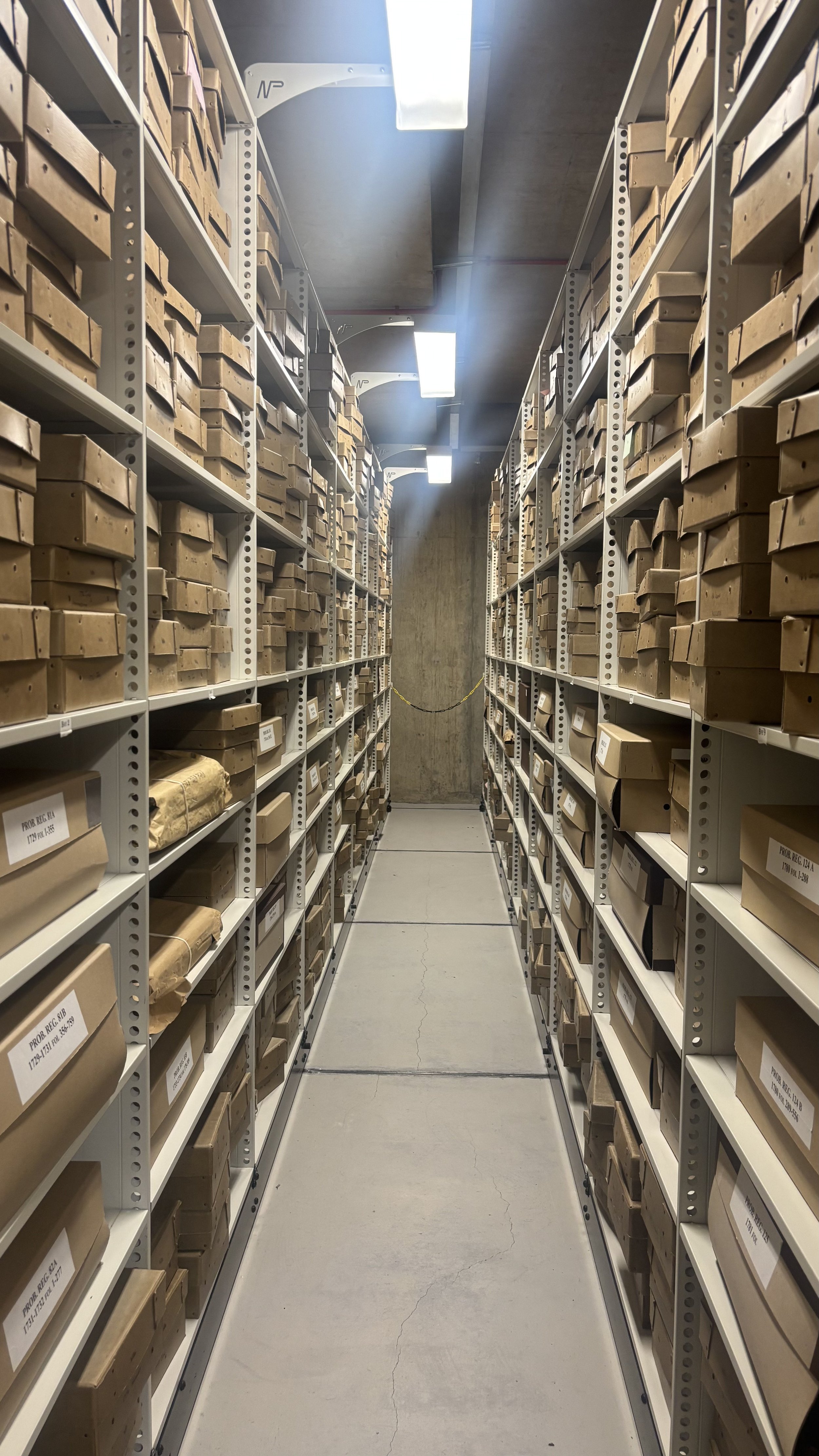
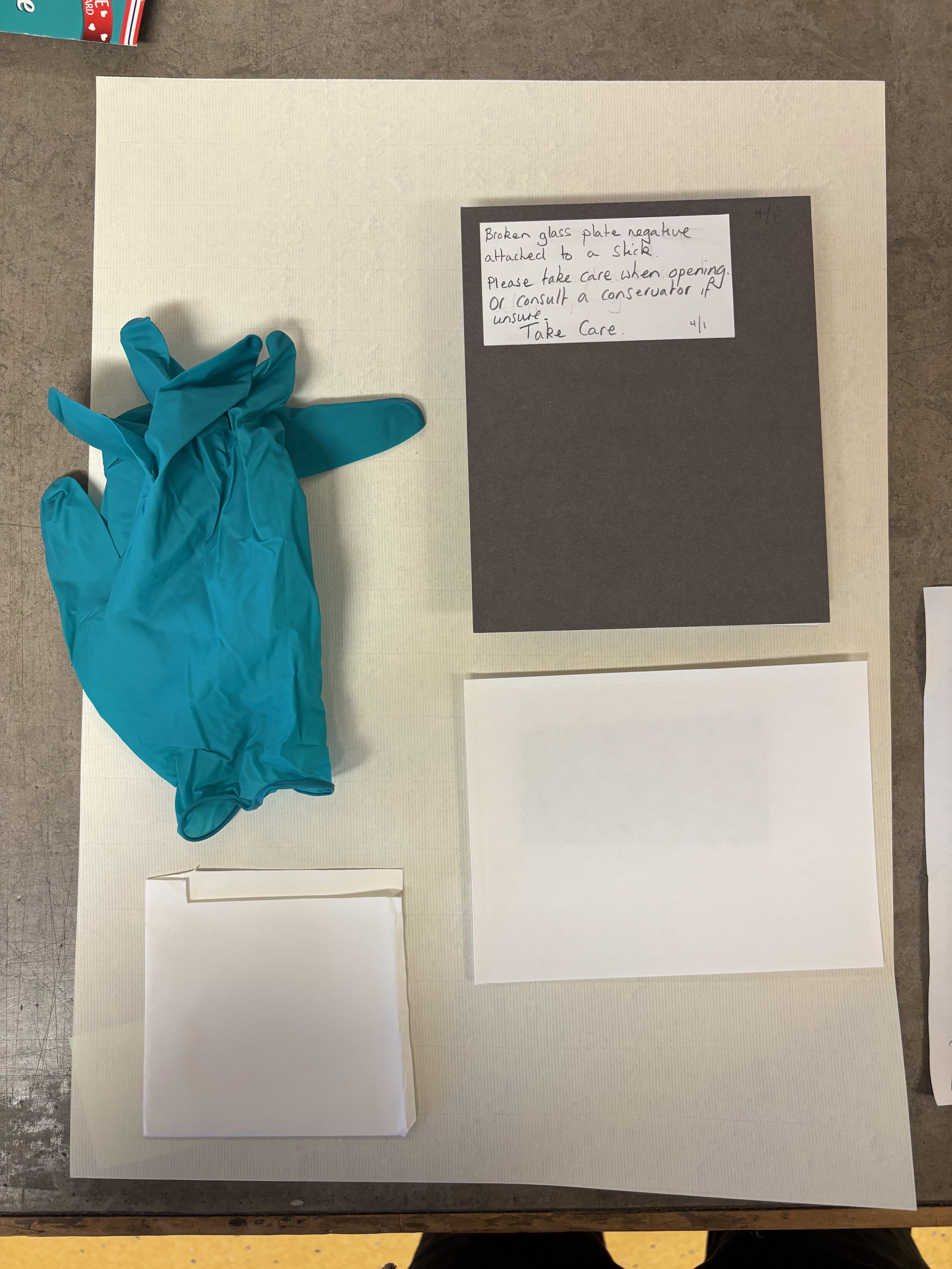
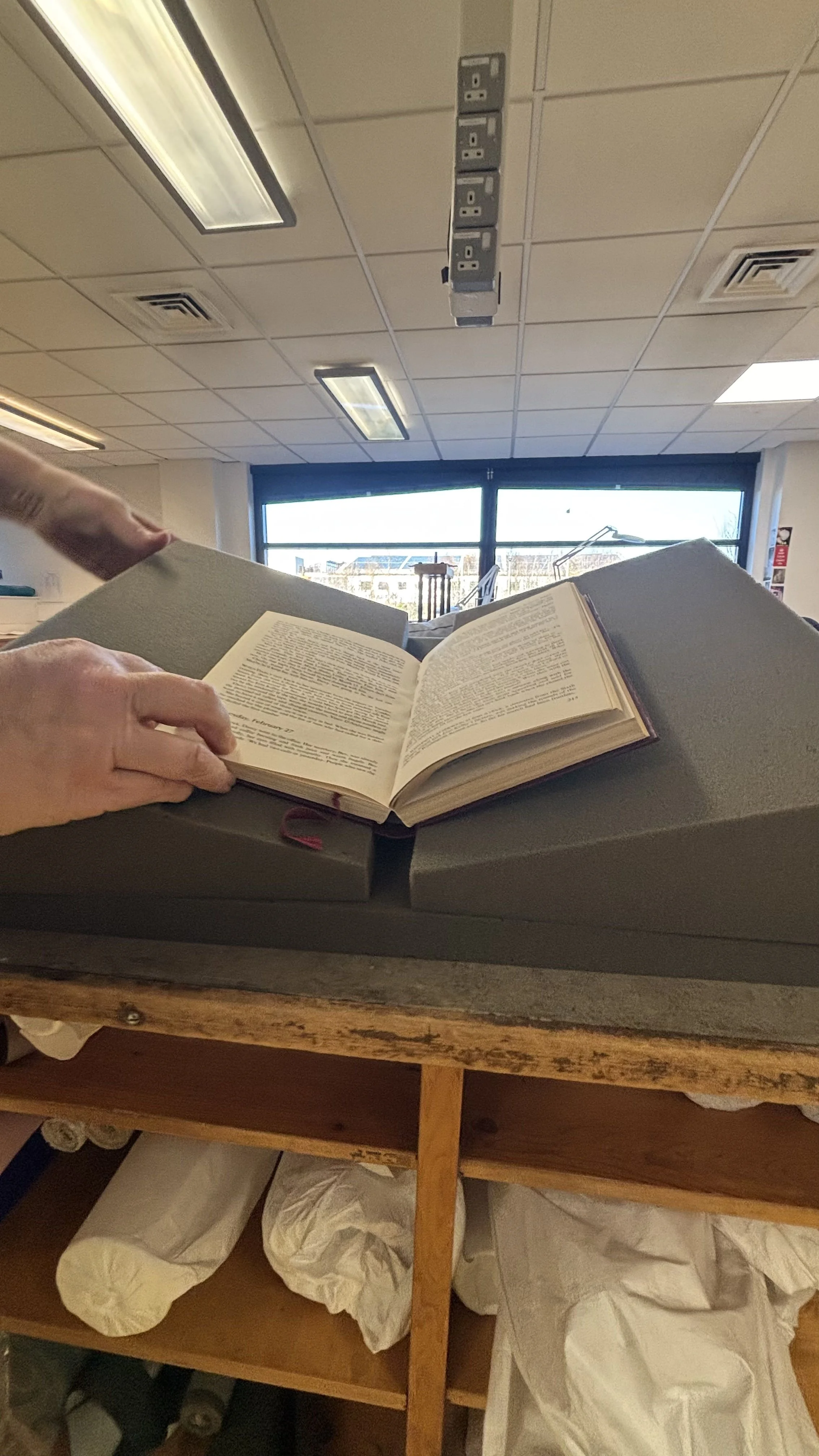
I was particularly struck by the history of York held within the archive. I discovered connections to South African writers whose work I already knew, including material relating to Noni Jabavu.
Charles Fonge from the University Archive introduced me to the archive and its materials. Through our conversations, we also discovered that a friend and writer from South Africa, Athambile Masola, had previously collaborated with the institution. These encounters made me think about collaboration not only as something that happens through production or a final outcome, but as something that develops through movement, exchange, and processes of discovery. I therefore see my residency at the University of York as a beginning—a seed planted within the institution.
I am interested in introducing my research methodology as a contribution to academic ways of conducting and understanding research. I consider materials and objects collected during research as extensions of evidence: forms of knowledge that cannot always be fully represented through conventional documentation alone. I am also interested in gestures, sounds, reactions, feelings, texture, and lived experiences as forms of a living archive.
This raises an important question for my practice: How can an institution preserve and present an “experience” to the public as evidence?
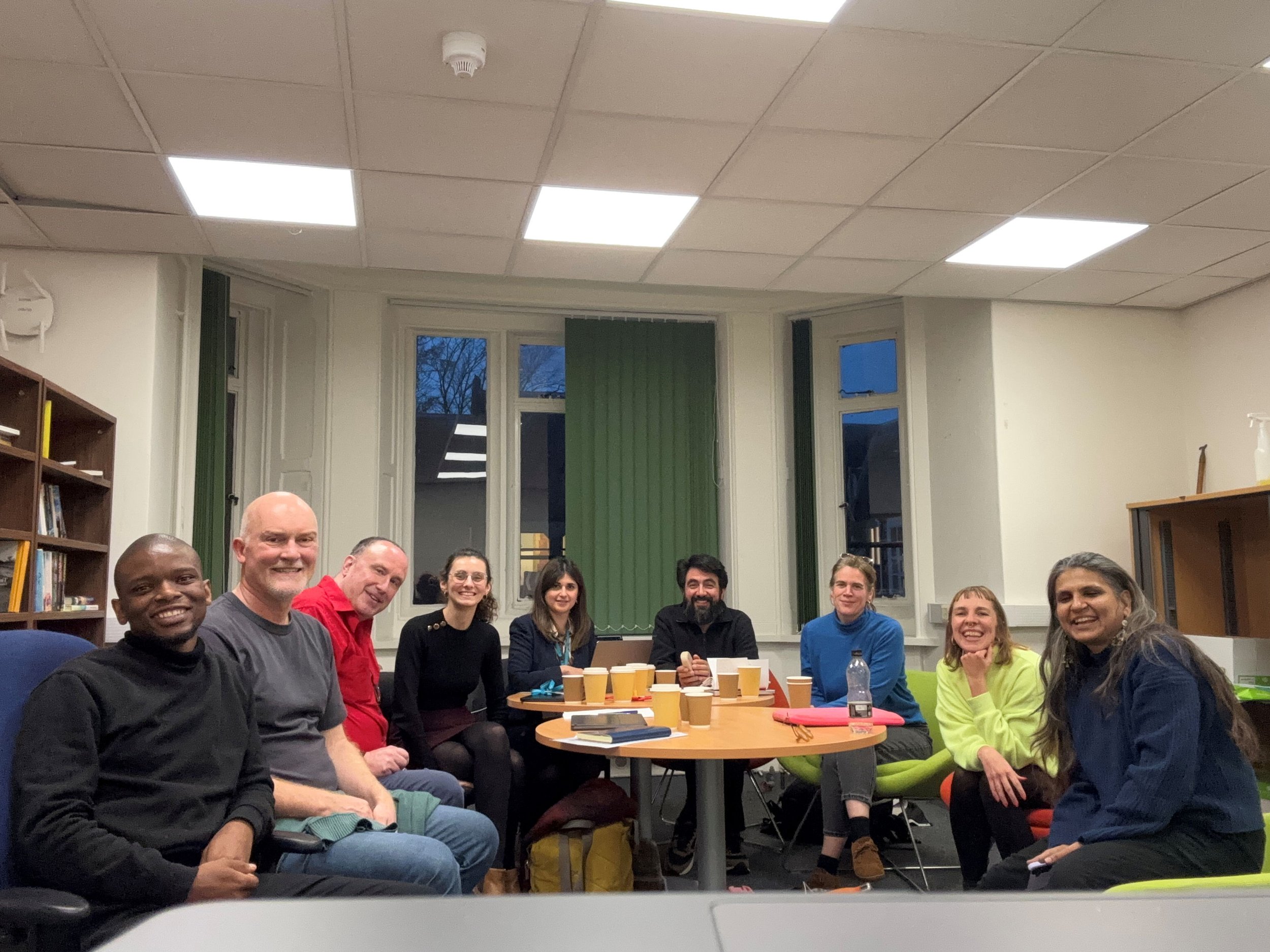
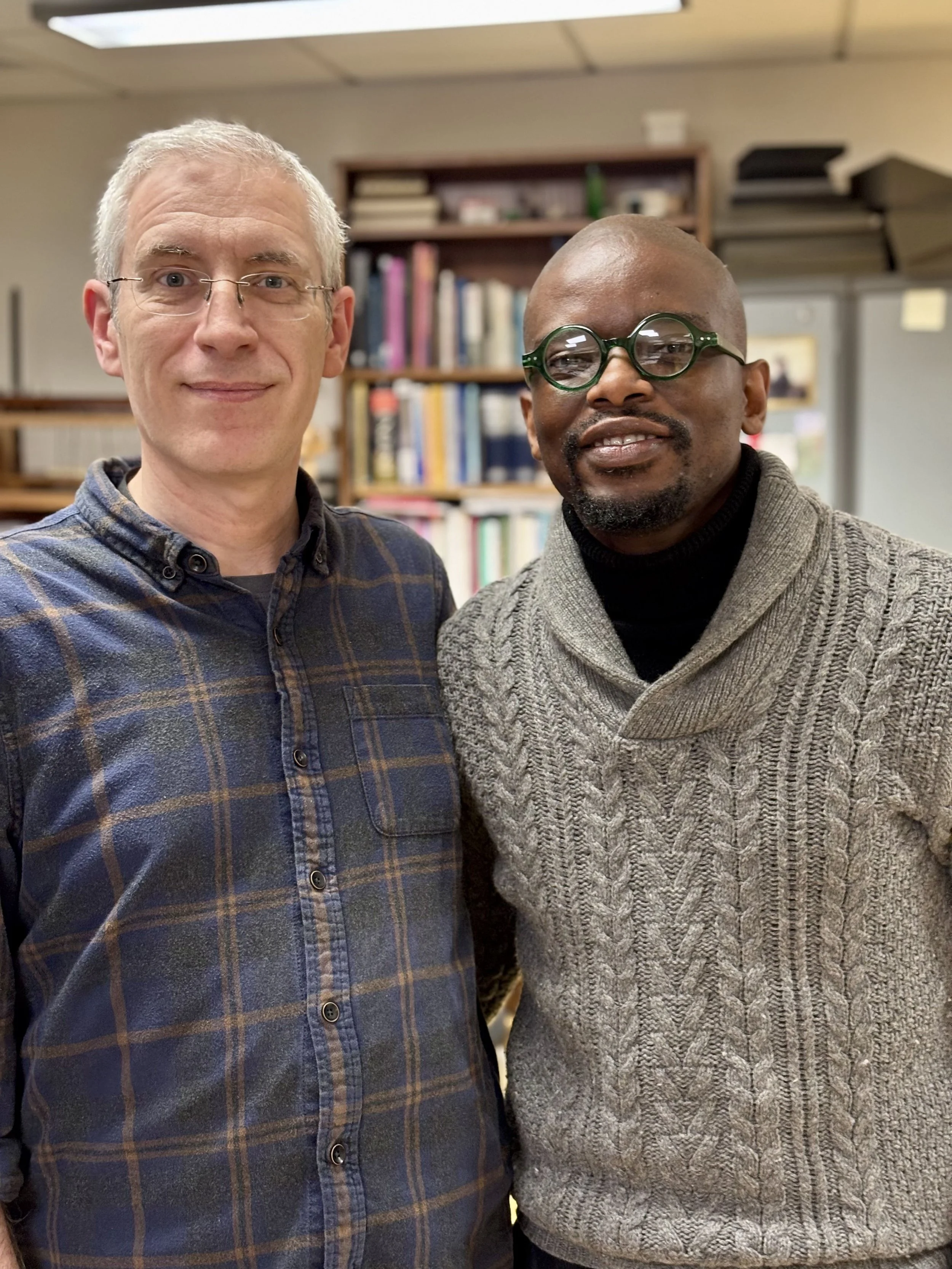
Wezile with members of the ART research team and other artists in residency